
Safe Gutter Maintenance Tips for Clean Gutters

Keeping gutters clear is one of the simplest, most effective ways to protect your roof, siding, foundation, and landscaping from water damage, and doing the job safely prevents avoidable injuries. This guide lays out what safe gutter cleaning looks like, why it matters, and how to pick the tools, protective gear, and methods that work best, whether you clean from the ground or use a ladder. You’ll get step-by-step instructions for setting up a ladder, clearing debris, flushing downspouts, and spotting problems that need a pro. For Tulsa homeowners, Apex Roofing & Exteriors offers local expertise and a free inspection when conditions look risky, or damage appears, an easy path from DIY maintenance to professional repair. The article covers risk assessment, must have PPE and tools, numbered cleaning steps, when to call a pro, seasonal maintenance plans, gutter guard trade offs and practical safety reminders to avoid falls and electrical hazards.
TL;DR
Protect Your Home: Clear gutters prevent costly roof, foundation, and landscape damage.
Prioritize Safety: DIY cleaning carries risks like falls and electrical hazards; use proper gear and techniques.
Essential Tools: Choose the right PPE (gloves, eyewear, non-slip shoes) and tools (stabilized ladders, ground-based wands).
Follow Steps: Systematically survey, stabilize ladders, remove debris, flush, and inspect for damage.
Know When to Call Pros: For high roofs, complex clogs, visible damage, or electrical line proximity, hire experts.
Maintain Long-Term: Implement seasonal cleaning and consider gutter guards to reduce frequency.
Why Is Safe Gutter Cleaning Crucial for Your Home?
Keeping gutters clean and functioning prevents roof leaks, fascia rot, foundation seepage, and landscape erosion from overflowing water. Clogged gutters create a chain reaction: water backs up under shingles, pools along foundations, and soaks soil near footings, increasing mold risk and costly repairs. Regular, careful maintenance slows long-term deterioration and helps homeowners spot damage early. Knowing these risks will help you decide when a DIY job is sensible and when to call a trained team for inspection or repair.
What Risks Do Clogged Gutters Pose to Your Roof and Foundation?
When gutters clog, water takes unintended paths that harm roofing materials and the foundation, speeding up rot and freeze-thaw damage in colder months. Overflowing channels let siding and fascia absorb moisture, which can lead to paint failure, wood rot, and mold that can creep indoors. Standing water next to foundation walls raises hydrostatic pressure and, over time, can cause basement leaks or cracks. Watch for staining under rooflines, pooling around downspouts, or damp basements; these signs tell you when a targeted repair or replacement may be needed.
What Are the Common Dangers of DIY Gutter Cleaning?
Cleaning gutters yourself brings clear hazards: ladder falls, overreaching injuries, slips on wet rungs, and contact with sharp edges or pests. Working alone increases the chance of losing balance; unstable ground and an unchecked ladder make falls more likely. Tasks near power lines or metal gutters add electrical risk and usually call for extra caution or a professional. Reduce danger by using a spotter, wearing proper PPE, and stopping if conditions feel unsafe, and know when to hand the job to a trained crew.
What Are the Best Tools and Safety Gear for Cleaning Gutters Safely?
The right protective gear and tools limit exposure to sharp debris, biological contaminants, and fall risk while making the job faster. Basic PPE, like gloves and eye protection, blocks immediate hazards, and stabilizing attachments or ground-based tools lower the chance of a fall. Choose a ladder with stabilizers, an extension pole with the correct gutter attachment, and a hose with a high-flow nozzle to finish the job cleanly. Equipment choice depends on roof height, tree coverage, and physical ability. When possible, prefer ground-based methods. Below is a practical checklist of essential PPE and a short table comparing common tools to help you pick the safest approach.
Essential protective gear for gutter work and why it matters: Cut-resistant gloves: Guard hands against sharp leaves, nails, and metal edges. Safety glasses or goggles: Protect eyes from splashes and flying debris while flushing or scooping. Nonslip footwear: Improve footing on ladders and wet surfaces to reduce slips.
Which Protective Gear Should Homeowners Use for Gutter Cleaning?
Prioritize gear that protects against cuts and biological exposure. Gutters can hide sharp objects, insects, and decaying plant matter. A snug pair of cut-resistant gloves preserves dexterity for scooping, while long sleeves reduce skin contact with irritants. Wear eye protection when flushing or using powered attachments, and use a dust mask if dry debris or mold may be disturbed. Choose breathable, durable materials, so you stay comfortable without sacrificing safety.
What Tools Make Gutter Cleaning Safer and More Efficient?
Tools change the balance between safety and thoroughness: telescopic wands and leaf blower attachments let you work from the ground but may miss compacted debris, while ladder-based scoops reach tight spots at the cost of higher fall risk. The table below summarizes ease of use, safety implications, and typical cost to help match tools to your home and needs.
How Do You Clean Your Gutters Safely Step-by-Step?
Safe cleaning follows a clear sequence: assess risk, set up a secure ladder or ground tools, remove debris, then flush and inspect to confirm proper flow. This order minimizes time at height and helps you spot damaged hangers or leaks before they worsen. The numbered list below gives the core steps in a concise, practical flow.
Survey and prepare: Inspect gutters from the ground, choose a calm, dry day, and gather PPE and tools.
Stabilize: Place the ladder on firm, level ground, use a stabilizer, and have a spotter for ladder work.
Remove debris systematically: Scoop large material into a bucket or tarp, working in short sections to avoid overreaching.
Flush and test flow: Run water through gutters and downspouts, checking for leaks, sag,s or slow drainage.
Inspect and document: Note loose hangers, hol,es or separated seams and address urgent issues promptly.
Following these steps keeps safety first, then cleaning, then verification. If flushing exposes persistent blockages or structural defects, schedule a professional inspection.
How Should You Set Up and Use a Ladder Safely for Gutter Cleaning?
Correct ladder setup cuts fall risk: check the ladder for damage, place it on packed, level gro,und and use the 4 to 1 rule (for every four feet of ladder height, set the base one foot from the wall) to achieve the right angle. Add a stabilizer to protect gutters, keep three points of contact while climbing, and never work from the top three rungs. A spotter can steady the base and pass up t,ools so you move less while on the ladder.
What Is the Proper Process for Removing Debris and Flushing Gutters?
Start by scooping large debris into a bucket or onto a tarp to reduce trips up and down the ladder and keep the work area tidy. After loosening material, use a garden hose with a high flow nozzle to flush water toward each downspout and watch the. This this will reveal slow spots, leaks, or missing sealant. For downspout clogs, remove the bottom elbow or use a plumber’s snake from the base to avoid compacting debris further. Finish by checking brackets, end cap,s and seams for loose fasteners and note any repairs needed before winter or heavy rain.
Can You Clean Gutters Safely from the Ground?
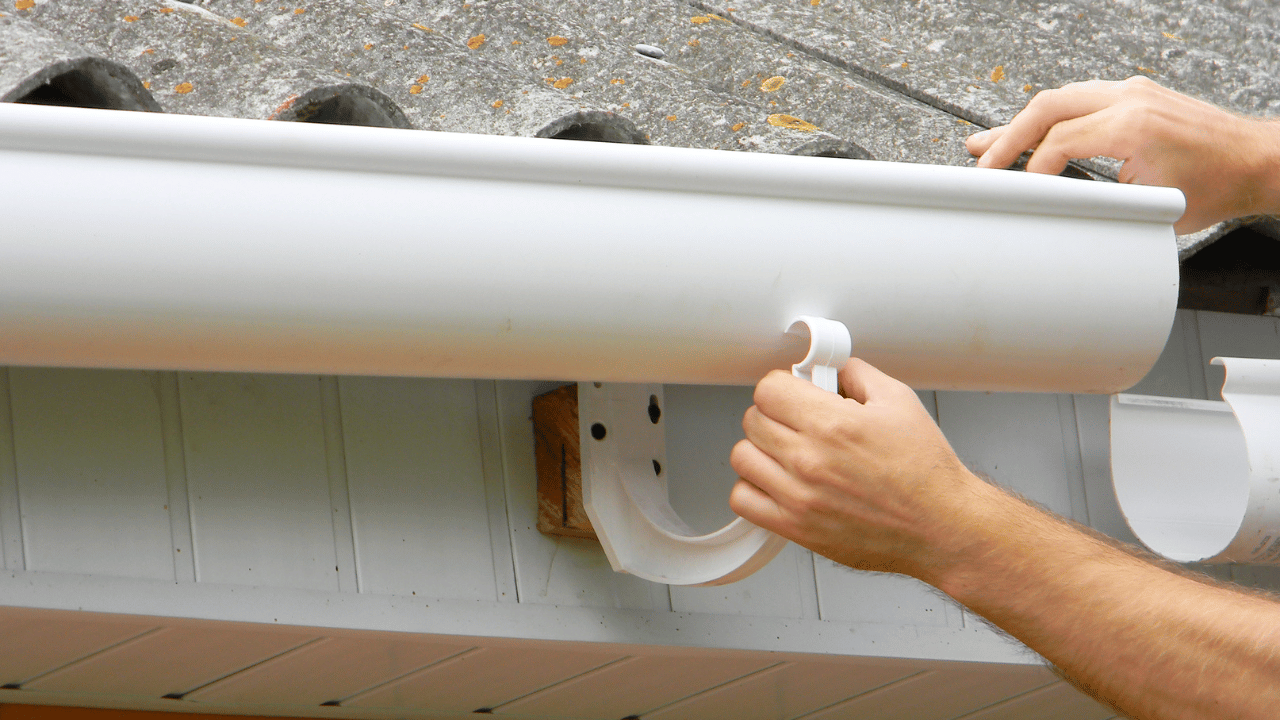
Ground based cleaning keeps you off ladders by using telescopic wands, leaf blower attachments or pressure wash gutter wands to dislodge and evacuate debris from below. These methods suit single-story homes and light to moderate buildups and often save time with less injury risk. They’re less effective on compacted debris, high roofs, or clogged downspout elbows that require direct access; in those cases, bring in a pro for a thorough job.
When Should You Hire Professional Gutter Cleaning Services in Tulsa?
Hire a professional when roof height, visible structural damage, storm impacts, or nearby electrical lines push risk beyond safe DIY limits. Pros bring safety gear and a system-level inspection that can reveal hidden issues. Tulsa’s weather can leave storm debris and downed material that call for a trained crew to inspect gutters and roof systems. Professionals also document damage for insurance and can offer financing for larger repairs or replacements. Apex Roofing & Exteriors provides free inspections, insurance support, flexible financing, and connections to gutter replacement services, a reliable local option when you want expert help.
For nearby communities, Apex Roofing & Exteriors offers tailored services as well. Residents of Broken Arrow can get solutions suited to their neighborhood’s needs.
What Are the Benefits of Professional Gutter Cleaning Over DIY?
Professionals reduce injury risk with trained crews, fall protection, and purpose-built access gear, and they provide a full system inspection that finds hidden problems like separated seams, failing hangers, or damaged underlayment. Technicians remove and dispose of debris properly, verify downspout performance, and recommend repairs that prevent repeat clogs. For storm damage or insurance claims, pros deliver documentation and support that ease the process. That combination of safety, thoroughness, and administrative help is why homeowners call professionals for complex or high-risk jobs.
What Can You Expect from Apex Roofing’s Gutter Cleaning Services?
Apex Roofing & Exteriors provides a local team offering a free inspection to evaluate gutter condition, identify related roof or fascia issues, and recommend practical next steps for Tulsa area homes. Their service typically includes cleaning, minor repairs when possible, and candid guidance on whether replacement or guard installation is the best long-term solution, plus stress-free insurance help and flexible financing for larger projects. Expect a hands-on evaluation that connects routine maintenance to overall exterior health, making it simple to move from a safety-first DIY approach to professional care when needed.
This same local commitment extends beyond Tulsa. Homeowners in Jenks can also count on Apex Roofing & Exteriors for dependable exterior work.
How Can You Maintain Gutters Long-Term to Prevent Clogs and Damage?
Long-term gutter health comes from a seasonal maintenance routine, targeted inspections, and optional preventive products like gutter guards. These steps reduce cleaning frequency and extend system life. A baseline of two cleanings a year, typically spring and fall, clears seasonal debris, with extra checks after major storms. Pick a guard based on tree cover, roof slope, and how much maintenance you’ll tolerate: guards cut down on large debris but still need occasional attention. The table below compares common guard types so you can choose the most cost-effective option for your home.
What Is the Recommended Seasonal Gutter Maintenance Schedule?
A practical schedule starts with a thorough spring cleaning to remove winter buildup and ends with a fall cleaning to clear leaves before freezes. Add checks after big storms. Each visit should include debris removal, downspout flow testing, fastener tightening, and a roof-to-gutter visual inspection for soft spots or shingle issues. Look for sagging sections and pitch problems that impede flow; fix small issues early to avoid major repairs later. For a typical single-story home, plan one to two hours per visit to keep maintenance manageable.
How Do Gutter Guards Help Reduce Cleaning Frequency and Protect Gutters?
Gutter guards act as a first line of defense, blocking large leaves and twigs while letting water through, so you clean less often and reduce overflow during heavy rain. Mesh, reverse curve, and foam guards use filtration, deflection, or blockage to keep debris out, but none are completely maintenance-free: fine sediment, pollen, and shingle grit can still accumulate. Guards are most cost-effective for homes with heavy tree cover or chronic clogs, where reduced cleaning offsets installation costs. For long-term solutions or when gutters need replacement, professionals can install seamless gutters with guards to maximize longevity; Apex Roofing & Exteriors offers gutter replacement as part of its exterior services.
What Are the Key Safety Tips to Avoid Injuries While Cleaning Gutters?
Focus on preventing falls, avoiding electrical hazards, and limiting overexertion by using ergonomic techniques and team support. Inspect ladders and tools before each use, keep three points of contact on ladders, and avoid working on wet or windy days when balance is compromised. If power lines are nearby, treat the area as high risk and keep a safe distance; never use a metal ladder near energized lines. The short do/don’t list below highlights actions that make gutter work safer and when to call a professional.
Top do/don’t safety actions to reduce injury risk during gutter work: Do use a spotter and ladder stabilizer when working at height. Do wear cut-resistant gloves, eye protection and nonslip footwear. Don’t use a metal ladder near electrical lines or attempt work during storms.
How Can Ladder Safety Prevent Falls During Gutter Cleaning?
Ladder safety starts with the right ladder, angle, and anchoring so you stay stable while working near the roof edge. Confirm ladder feet are on compacted, level ground, inspect rungs and hinges, and position the ladder so the top rests firmly against the structure with a stabilizer if possible. Keep three points of contact, avoid overreaching past the side rails, and work in short sections, lower tools instead of carrying them up. These habits reduce the mechanical causes of most ladder incidents and keep gutter cleaning controlled and lower risk.
What Precautions Should You Take When Working Near Electrical Lines?
When gutters or ladders are close to electrical lines, assume there’s an electrical hazard and maintain a generous clearance. Never touch lines or use conductive ladders near energized wires. If power lines are too close to the work area, stop and contact a professional or the utility to coordinate safely. Use insulated tools if appropriate and always stay aware of overhead lines when moving ladders or equipment. Respecting electrical risk is often the deciding factor that moves a job from DIY to professional care.
Avoid Costly Repairs
Safe, regular gutter maintenance protects your home from water damage and costly repairs. By understanding the risks and using the right gear and techniques, you can keep gutters flowing while minimizing injury. If you’d rather leave it to the experts, Apex Roofing & Exteriors offers local, professional services tailored to your needs. Visit our services page or request a free inspection to safeguard your home and extend its life.
