Enhance Your Home with Durable Synthetic Roofing Solutions
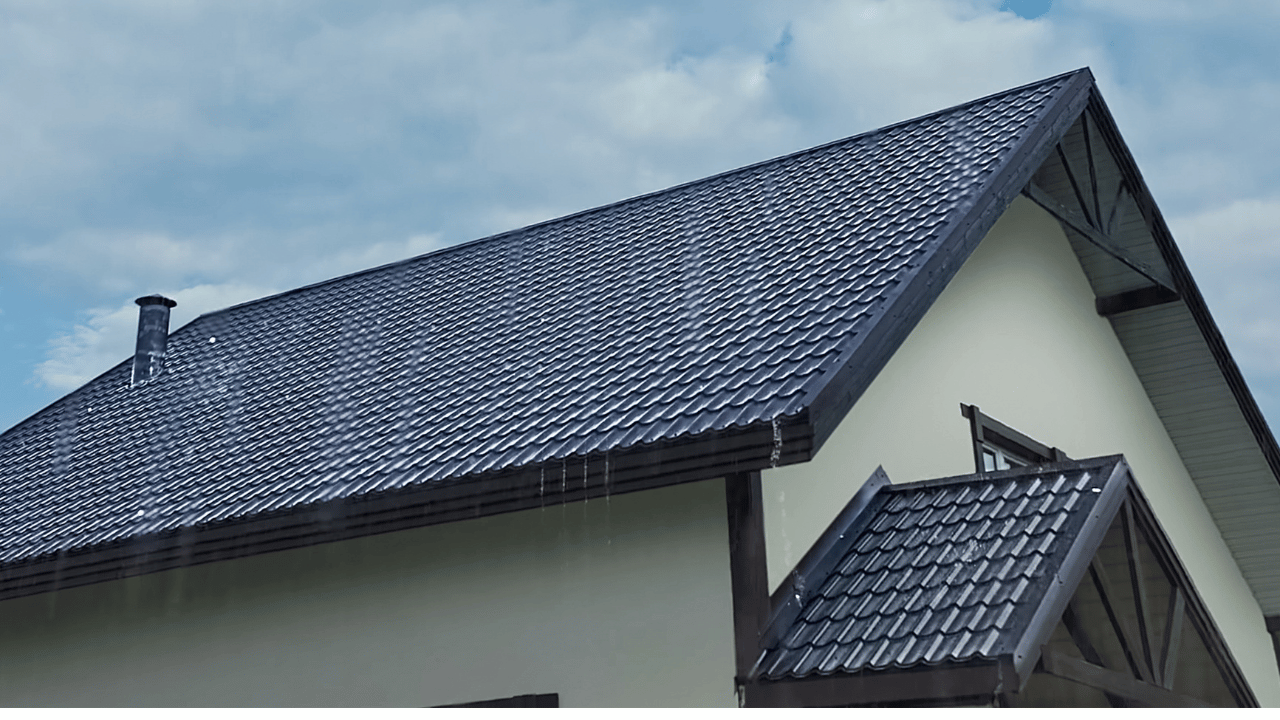
Synthetic roofing is a family of engineered composite products made to look like traditional materials, think slate or wood shake, while adding modern benefits: lighter weight, built-in impact resistance, and lower upkeep.
This guide walks you through what synthetic roofing is, how common polymer and recycled blends perform in storm-prone Tulsa, and why more homeowners are choosing composites for long life and curb appeal. You’ll learn the main material families, synthetic shingles, faux slate, and recycled-rubber shake, and how they stand up to hail, wind, and sun. We explain cost drivers, practical selection steps for your home, and how performance ratings (Class 4 impact, wind uplift, UV stability) match homeowner priorities. You’ll also see why installation quality and underlayment matter for long-term value, plus clear comparisons, financing and insurance tips, and an easy way to schedule a free inspection. Understanding these choices helps Tulsa homeowners make resilient, cost-effective decisions that suit Green Country’s weather.
TL;DR
Engineered Durability: Synthetic roofs mimic natural materials (slate, shake) but offer superior impact resistance, lighter weight, and lower upkeep.
Storm-Ready for Tulsa: Ideal for storm-prone areas like Tulsa, resisting hail, high winds, and UV damage.
Variety of Styles: Available in synthetic shingles, faux slate, and recycled-rubber shake to match diverse home aesthetics.
Long-Term Value: Provides extended service life, reduced maintenance, and potential insurance savings due to high performance ratings (e.g., Class 4 impact).
Eco-Friendly Options: Many synthetic products incorporate recycled content and offer sustainable benefits.
Affordable Solutions: Financing and insurance claim assistance make synthetic roofing upgrades accessible.
Local Expertise: Apex Roofing offers free inspections, premium materials, and support for a smooth installation process in Tulsa.
What Are Synthetic Roofing Materials and Why Are They Ideal for Tulsa Homes?
Synthetic roofing refers to manufactured composites, often polymer blends, recycled rubber, and engineered cores, made to mimic slate or cedar shake while offering steady performance. Because they’re engineered, these products improve impact resistance, shave off weight versus heavy natural materials, and resist UV and wind damage, exactly the traits Tulsa homeowners need against frequent hail and high winds. The benefits are straightforward: less maintenance, longer service life, and flexible looks that preserve curb appeal without extra framing. Below we’ll look at the common raw materials and the testing that makes synthetic roofing a practical choice for storm-prone areas.
What Materials Are Used in Synthetic Roofing?
Manufacturers use polymer formulas, composite blends, and recycled content to recreate slate, shake, and shingle looks while boosting durability. Engineered thermoplastics usually make up the visible surface for color stability and realistic texture, while composite or recycled-rubber cores give impact absorption and flexibility. Producers pair these with synthetic underlayment and corrosion-resistant fasteners to finish the roof system and reduce common failure points. These choices balance looks, lower weight, and sustainability, benefits that matter for Tulsa properties facing frequent storms.
How Does Synthetic Roofing Withstand Tulsa’s Storm-Prone Climate?
Synthetic roofs resist storm damage through engineered impact performance, proven wind-uplift ratings, and UV-stable surface chemistry that slows aging from sun exposure. Impact standards like Class 4 show which products are best for Oklahoma hail, while wind-tested attachment methods and proper flashing cut leak risk in wind events. Flexible polymer faces plus resilient underlayment reduce fracturing and water intrusion, which means fewer repairs and less insurance hassle. Evaluating these attributes per product helps you prioritize storm-proofing that lowers long-term costs and disruption.
What Types of Synthetic Roofing Does Apex Roofing Install?
Apex Roofing & Exteriors installs several synthetic roofing families to suit different home styles and performance needs: composite/synthetic shingles, faux slate, and synthetic shake. Each type balances look, durability, and weight. Synthetic shingles offer broad color and profile choices for classic homes. Polymer slate recreates layered slate texture at a fraction of the weight. Recycled-rubber or composite shake captures rustic appeal while resisting rot and fire. Apex pairs these surfaces with synthetic underlayment and manufacturer-backed recommendations to protect installation integrity. Ready to explore options for your roof? Schedule a free inspection to find the best synthetic solution for your home and local climate.
Different synthetic roofing types installed by Apex address distinct homeowner goals:
Synthetic Shingles: Familiar shingle profiles with improved impact resistance and less weight than many natural options.
Synthetic Slate: The look of natural slate with lighter weight and faster, more uniform installation.
Synthetic Shake: Cedar-like texture without rot issues and with lower maintenance needs.
These choices let homeowners match aesthetic priorities to performance needs.
What Are Synthetic Shingles and Their Advantages?
Synthetic shingles are composite roofing panels made to look like architectural or designer shingles while using polymer or composite faces for better durability. They often weigh less than some natural tiles, easing structural demands and simplifying installation. Engineered to resist hail and UV fade, they can outlast traditional asphalt and reduce maintenance. While material costs may be higher up front, the longer service life and fewer repairs often make them a better long-term value. Choosing Class 4-rated synthetic shingles in Tulsa can lower storm-damage repairs and help with insurance claims after severe weather.
How Does Synthetic Slate Roofing Compare in Appearance and Performance?
Synthetic slate reproduces the deep texture, shadow lines, and color variation of natural slate using molded polymer or composite panels, giving a high-end look without the heavy weight. Because it’s much lighter than quarried slate, synthetic slate often removes the need for extra roof framing, making it well-suited for retrofits and historic-style homes. The polymer makeup resists hail and thermal stress better than thin natural slate, which can crack on impact. Homeowners get the upscale slate appearance with simpler installation and lower long-term upkeep.
What Are the Benefits of Synthetic Shake Roofing?
Synthetic shake mimics cedar or wood shake texture using composite or recycled-rubber materials that avoid common wood problems like rot, insect damage, and regular sealing. These products keep a rustic look while improving fire resistance and lowering maintenance needs, great for homeowners who want the wood look without the upkeep. Engineered stability helps prevent warping and splitting, improving water shedding and reducing leak risk. In Tulsa’s variable climate, synthetic shake balances style with real-world resilience.
How Do Synthetic Shingles, Slate, and Shake Compare?
This quick comparison helps match homeowner priorities, budget, appearance, or storm resistance to the right product family. Synthetic shingles are usually the most budget-flexible, with wide style choices and strong storm performance. Synthetic slate is chosen when appearance and longevity justify a higher cost, especially where framing supports it. Synthetic shake gives rustic character with maintenance savings, for homes that need the wood look but want durable performance. The next section covers the core benefits shared by these synthetic options and why they matter locally.
What Are the Key Benefits of Choosing Synthetic Roofing Materials?
Synthetic roofing brings homeowner-focused benefits: better durability and storm resistance, lower maintenance and longer useful life, flexible styling to boost curb appeal, and eco-friendly options with recycled content. These gains come from engineered polymer faces and composite cores that resist cracking, absorb impact energy, and keep color under UV exposure. When combined with quality synthetic underlayment and proper fastening, the whole roof assembly reduces leaks and repair frequency.
How Does Synthetic Roofing Provide Superior Durability and Storm Resistance?
Synthetic roofing gains durability from a composite design that spreads impact energy, flexible substrates that resist cracking, and UV-stabilized pigments that slow brittleness. Manufacturers test for impact and wind uplift to prove performance in Oklahoma conditions, and some products meet high-impact standards that minimize visible damage. Proper installation, correct fastening patterns, synthetic underlayment, and tight flashing let the system work as intended. These engineering and installation practices cut repair frequency and protect your home during severe weather.
Why Is Synthetic Roofing a Low-Maintenance, Long-Lasting Investment?
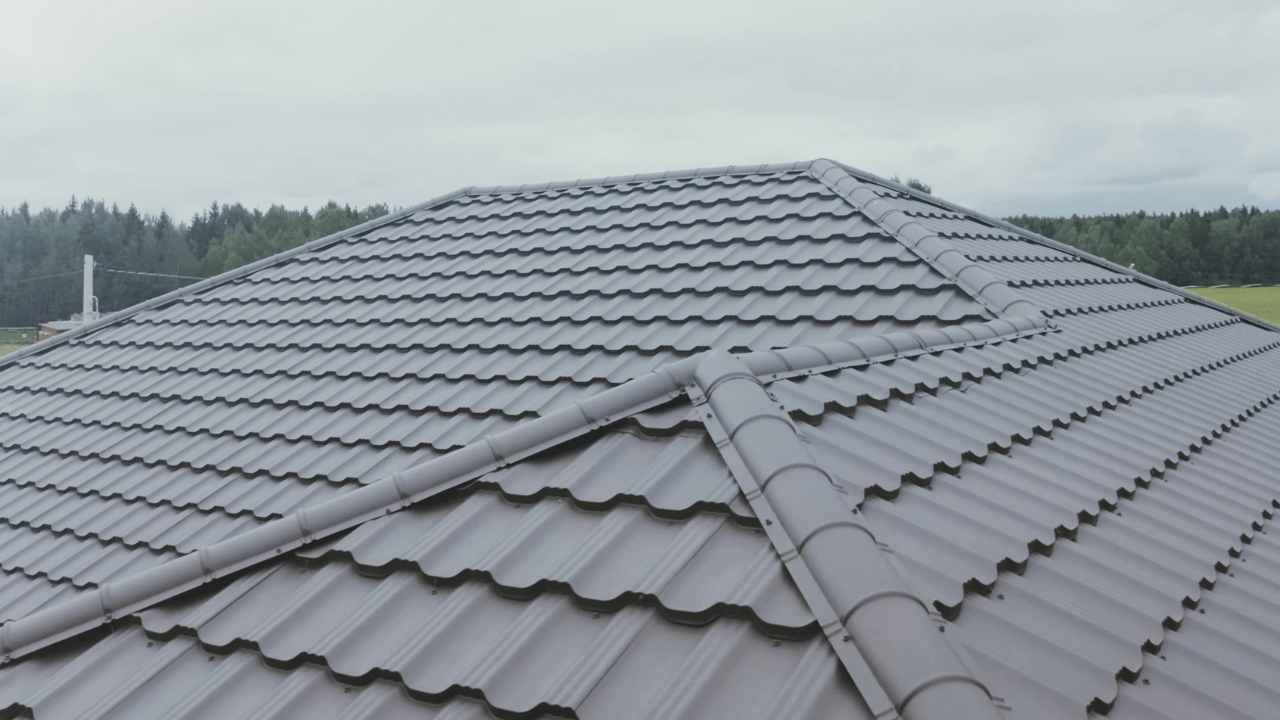
Synthetic materials avoid failure modes common to traditional options, like wood rot or slate splitting, by using stable polymers and composite cores that resist moisture and biological breakdown. That means fewer routine maintenance chores such as sealing or replacing tiles, which lowers lifecycle costs and homeowner disruption. With durable underlayment and professional installation, synthetic roofs typically extend replacement cycles and make budgeting more predictable. Look at lifecycle ROI, not just initial price, when comparing long-term affordability.
How Do Synthetic Materials Enhance Curb Appeal and Aesthetic Versatility?
Manufacturers design synthetic roofing to capture the texture, shadow, and color variation of natural materials, with customizable palettes and profiles that fit many architectural styles. This flexibility lets you pick a roof that complements colonial, craftsman, or modern homes while keeping a cohesive streetscape look. High-fidelity replication and consistent manufacturing give a uniform appearance across roof planes, which buyers notice. These visual upgrades pair well with energy efficiency and exterior renovations to raise overall property value.
What Eco-Friendly and Sustainable Options Are Available in Synthetic Roofing?
Sustainability in synthetic roofing can mean recycled content in cores, less extraction than quarried slate or harvested cedar, and longer lifespans that cut material turnover. Recycled-rubber shakes and reclaimed-polymer tiles repurpose waste streams while delivering durable performance. Some synthetic roof systems also improve thermal behavior, which can lower energy use when paired with attic ventilation and insulation. These environmental benefits appeal to homeowners who want a smaller lifecycle impact without giving up looks.
How Much Does Synthetic Roofing Cost and What Financing Options Are Available?
Costs for synthetic roofing depend on material choice, roof complexity, and installation specifics. While some synthetic products cost more than basic asphalt, their engineered longevity and lower maintenance often make them cost-effective over time. Major cost drivers include product family and grade, any deck repairs or reinforcement, underlayment and flashing selections, and labor for composite installations. Financing programs and insurance claim help can reduce upfront pressure, making synthetic upgrades accessible for storm-damaged or value-focused replacements.
What Factors Influence Synthetic Roofing Cost Compared to Traditional Materials?
Price differences come from raw material grade, manufacturing complexity, and installation labor. Synthetic slate and premium shake that closely mimic high-end natural materials often cost more than basic composite shingles, but they can save on structural reinforcement versus real slate because they’re lighter. Roof pitch, tear-off versus overlay, and the need for flashing or deck repairs drive labor costs, so an on-site assessment is critical. When you factor in lower maintenance and possible insurance savings from higher impact ratings, synthetic options often look better in a long-term comparison.
How Can Financing and Insurance Claim Assistance Make Synthetic Roofing Affordable?
Financing choices, like flexible payment plans and contractor-arranged programs, let homeowners spread the cost of higher-grade synthetic roofs while protecting cash flow. Insurance claim assistance helps document storm damage and present a replacement scope that speeds approvals and clarifies homeowner responsibility. Getting an on-site assessment and a personalized estimate lets you model financing and insurance outcomes to project realistic out-of-pocket costs. Need a tailored cost assessment? Schedule a free inspection for a detailed estimate and financing guidance.
Why Choose Apex Roofing for Synthetic Roofing Installation in Tulsa?
Apex Roofing & Exteriors is a local, hands-on roofing team focused on straightforward, low-stress service for Tulsa and Green Country homeowners. We offer free inspections, use premium materials (including Atlas shingles and metal roofing where appropriate), install synthetic underlayment on replacements, and provide flexible financing plus insurance-claim support. Those local credentials match homeowner priorities for storm-resilient roofs and smooth claim experiences. If you’re weighing synthetic roofing options, Apex’s on-site assessments and material guidance help match product performance to Tulsa’s weather. Schedule a free inspection to get started.
What Expertise and Premium Materials Does Apex Roofing Offer?
Apex Roofing & Exteriors installs trusted products noted in our service profile, Atlas-brand shingles, metal roofing options, and synthetic underlayment for replacements, combined with local installation know-how. Synthetic underlayment boosts the waterproof layer beneath your roof surface, and recommending recognized brands supports the durability and performance you expect. Our local, hands-on approach helps ensure product choice and installation practices meet storm-resilience goals and insurance expectations for Tulsa homes. Homeowners benefit when recommendations are based on local weather and practical installation methods.
How Does Apex Roofing Support Customers Through Free Inspections and Insurance Claims?
Apex Roofing offers free inspections that review visible roof condition, document hail or storm impacts, and identify prioritized repair or replacement needs, delivering photo-documented findings and a clear recommendation. We help with insurance claims by providing documentation and guidance that turn inspection results into a replacement scope, reducing stress in the claims process. Flexible financing helps homeowners move forward when replacements are needed, and our team emphasizes clear communication from inspection through completion. Requesting a free inspection gives you the information needed to choose the right synthetic roofing solution.
How Can You Schedule a Free Synthetic Roofing Inspection with Apex Roofing?
Scheduling a free synthetic roofing inspection is simple. Request an on-site visit, and we’ll perform a full roof assessment with photos, documented findings, and material recommendations tailored to your home and climate. Expect clear timelines for a written estimate and options for financing or insurance assistance so you can make a confident choice. Preparing your home and knowing what the inspection delivers speeds the path from assessment to installation.
What Should You Expect During Your Free Synthetic Roofing Inspection?
During the inspection, a trained estimator checks the roof surface, flashing, visible underlayment condition, and the attic for signs of water intrusion. We document hail or wind damage when present and take photos and notes to build a written estimate that lists recommended materials (synthetic shingles, faux slate, or synthetic shake) and any deck repairs or underlayment upgrades. That documentation is helpful for insurance claims and for comparing financing options and timelines. After the visit you’ll get a transparent estimate and clear next steps toward scheduling work.
How to Prepare Your Tulsa Home for Synthetic Roof Installation?
Preparing your home lets crews work efficiently and keeps disruption low. Clear vehicles and outdoor items from driveways and yards, trim low branches for safe access, and let neighbors know if big work or debris landing is expected so they can protect vehicles and landscaping. On install day, crews remove old roofing as needed, install synthetic underlayment, set flashing, and apply the chosen synthetic surface; expect normal noise and debris management. After the job, the crew cleans up and does a final walkthrough, leaving warranty paperwork and documentation of the finished roof.
Clear the driveway and nearby vehicles: Makes room for material delivery and dumpsters.
Trim trees near the roofline: Reduces interference and limits debris.
Secure pets and valuables indoors: Prevents escapes and protects items from vibration.
Enhance Your Home
Synthetic roofing gives Tulsa homeowners stronger storm protection, lower maintenance, and more design choices, all reasons it’s a smart investment for storm-prone areas. With synthetic shingles, slate, and shake available, you can find a solution that fits your style and performance needs. Understanding these benefits helps you make an informed choice that meets your long-term goals. Schedule a free inspection today to explore the best synthetic roofing options for your home.
