
Is Your Roof in Trouble? 7 Key Signs of Damage
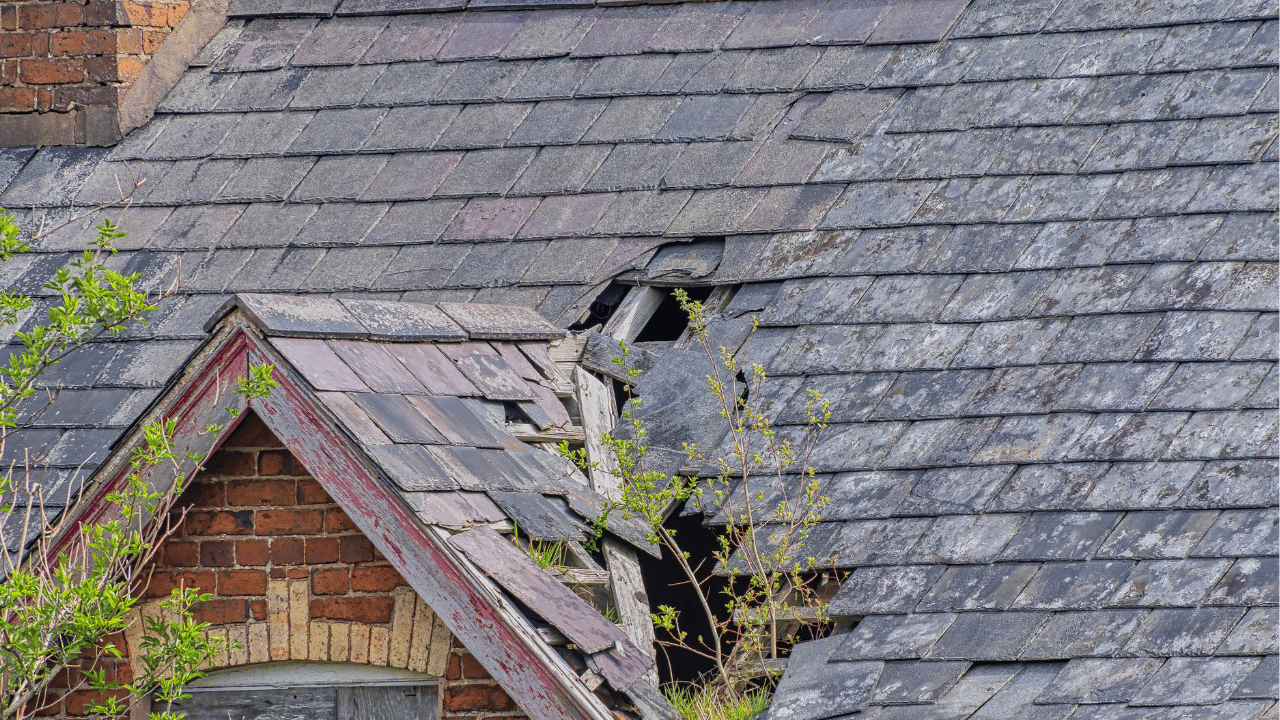
Wondering how to tell if your roof needs immediate attention? Roof damage often starts with subtle clues and can lead to costly leaks or structural issues. This guide highlights seven critical warning signs, explains when to repair versus replace, showcases the value of Apex Roofing’s free inspection, explores common damage causes in Tulsa, helps you spot storm impacts, outlines maintenance to extend your roof’s life, and emphasizes why Apex Roofing delivers trusted results. Follow these insights to protect your home and know exactly when to schedule your complimentary roof assessment.
What Are the 7 Crucial Signs Your Roof Needs Immediate Repair or Replacement?
A healthy roof shields your home from moisture, energy loss, and structural stress. Recognizing early distress signals empowers homeowners to act before minor issues escalate into major problems. For more information, visit our site.
Missing, cracked, or curling shingles
Water stains and active leaks
Sagging roof deck
Granule loss on asphalt shingles
Daylight visible through the attic
Moss and algae growth
Damaged flashing and gutters
Spotting these signs early preserves your roof’s integrity and prepares you for the decision to repair or replace.
How Do Missing, Cracked, or Curling Shingles Indicate Roof Damage?
Missing, cracked, or curling shingles signal that protective layers have weakened, leaving your roofing underlayment vulnerable to wind, rain, and UV damage. When shingles lift or break, wind-driven water can seep underneath, leading to interior leaks and wood rot.
Inspect your roof surface for:
Exposed nail heads or bare decking
Shingle edges lifting or splitting
Corners that curl upward after wind gusts
Visible shingle damage often stems from storms or aging, indicating a need for prompt shingle replacement or targeted repairs. Understanding shingle failure sets the stage for assessing water intrusion risks in the next section.
What Do Water Stains and Leaks Reveal About Roof Health?
Water stains on ceilings or along attic beams reveal hidden moisture pathways that can damage insulation and encourage mold growth. When a roof’s underlayment fails, rainwater seeps inward, leaving behind brownish discoloration and soft drywall.
Common leak patterns include:
Yellow or brown patches along ceiling seams
Damp insulation in attic corners
Drips pooling around chimneys or vent pipes
A sign of a less severe issue is minor staining, which appears as faint ceiling discoloration. This indicator suggests that a small amount of water is getting through the roof. The suggested response is to schedule a targeted shingle replacement to address the source of the leak before it worsens.
A more urgent issue is indicated by active dripping, where there are visible water droplets coming from the ceiling. This means that a leak has progressed to the point where water is actively penetrating the home. The suggested response is to arrange emergency leak patching immediately to prevent further structural damage and potential mold growth.
The most severe level of damage is indicated by widespread moisture, which is seen as multiple stain clusters across the ceiling or walls. This suggests a significant compromise of the roof's integrity. The suggested response is to consider a full roof replacement, as repairing individual leaks in a widespread problem is often not a cost-effective or long-term solution.
Inspecting stain patterns clarifies whether isolated repairs are sufficient or a broader replacement is necessary, leading to the structural concerns discussed in the following section.
How Can a Sagging Roof Deck Signal Structural Problems?
A sagging roof deck results from prolonged moisture exposure or compromised framing, reducing its load-bearing capacity and inviting further deterioration. When roof boards bend or dip, they put stress on shingles and flashing connections.
Factors that cause deck sagging:
Water accumulation under shingles
Rotting rafters or joists
Excess weight from debris or snow
Addressing sagging early prevents collapse risks and appearance issues. Evaluating deck alignment guides the repair-versus-replacement decision with structural integrity in mind.
Why Is Granule Loss on Asphalt Shingles a Warning Sign?
Granule loss occurs when UV exposure and weather cycles erode the mineral coating that protects shingles. As granules wash into gutters, shingles thin out, losing fire resistance and waterproofing capabilities.
Key granule-loss indicators:
Granule accumulation in gutters or downspouts
Bare spots on shingle surfaces
Accelerated color fading across roof planes
A chemical wash is an effective treatment method that works by killing spores on contact. This mechanism provides the benefit of preventing regrowth and water retention by eliminating the living organisms that can trap moisture and cause damage over time.
Soft washing is a more gentle method that uses a low-pressure application of cleaning solutions. This approach's mechanism is designed to be non-abrasive. The primary benefit of soft washing is that it protects shingle granules while cleaning, which is crucial for maintaining the integrity and longevity of asphalt shingles.
Zinc strips are a preventive solution that works over time. The mechanism involves the strips releasing algae-inhibiting ions when it rains. As the water flows over the roof, these ions are distributed, providing the long-term benefit of inhibiting growth and extending shingle life by making the surface inhospitable to organisms.
Granule depletion foreshadows premature roof aging and connects directly to the next sign of attic exposure.
What Does Daylight Showing Through the Attic Mean for Your Roof?
Daylight penetrating attic seams confirms breaches in roof boards or gaps around vents. Each opening invites pests, drafts, and moisture that compromise energy efficiency and indoor comfort.
Signs of attic light leaks:
Bright spots on attic floorboards
Chilled drafts along rafters
Small holes visible from inside
Sealing these gaps requires either board replacement or full deck refurbishment, linking this symptom to algae concerns ahead.
How Does Moss and Algae Growth Affect Roof Durability?
Moss and algae retain moisture against shingles, accelerating granule loss and rot beneath. In Tulsa’s humid climate, shaded areas become breeding grounds for resilient growth that degrades roofing materials.
Moss and algae management strategies:
Apply a zinc-based moss inhibitor
Perform periodic soft washing with roof-safe cleaner
Trim overhanging branches to reduce shade
Understanding microbial damage underscores the importance of maintaining effective drainage and flashing, the topic of the next section.
What Are the Signs of Damaged Flashing and Gutters Impacting Roof Drainage?
Damaged flashing and clogged gutters force water to pool on roof surfaces, increasing leak risk and fascia corrosion. Rust, gaps, or misaligned gutter sections betray drainage failures that undermine your roofing system.
Warning signs include:
Rust streaks along flashing seams
Separated gutter joints leaking at corners
Water cascading behind gutters during rainfall
Repairing or replacing flashing and gutters ensures proper runoff, completing the diagnostic overview of crucial roof distress signals.
How Do You Decide Between Roof Repair and Roof Replacement?
Deciding whether to repair or replace hinges on roof age, extent of damage, and long-term homeowner goals. A balanced evaluation saves money now while securing durability down the road. For more information, visit our FAQ page.
Roof age is a major decision factor. A repair is the recommended option for a roof that is under 10 years old with localized wear. However, a replacement is more appropriate for a roof that is over 20 years old or one that shows extensive wear across multiple areas.
The extent of the damage also plays a significant role. A repair is a viable solution for isolated leaks or a few missing shingles. In contrast, a replacement is necessary when there is widespread deterioration or structural sagging, as these issues indicate a compromise to the roof's integrity.
Your budget consideration will also influence the decision. A repair has a lower upfront expense, making it a good choice for those who need a quick, cost-effective fix. A replacement, while having a higher initial cost, provides lasting value through a new roof and a new warranty.
Finally, the material life expectancy should be considered. A repair provides only short-term patch fixes that address isolated issues, but the overall life of the roof remains the same. A replacement provides a full lifespan renewal of up to 25–30 years, ensuring long-term protection for your home.
Roof Repair vs Replacement: Which Is Right for Your Home?
If the damage is limited to a small area or just one section of the roof, repairing can be an economical way to address the problem. But, if the damage is extensive enough, a repair may end up costing almost as much as replacing the roof.
The extent of the damage is a key factor in deciding between roof repair and replacement.
What Factors Determine When to Repair Your Roof?
Roof repair makes sense when issues are confined to small areas, the deck remains level, and the overall membrane retains integrity. Timely shingle or flashing fixes preserve performance without replacing the entire system.
When Is Full Roof Replacement the Best Option?
A full replacement prioritizes long-term security when damage is pervasive, materials exceed service life, or deck stability is compromised. Investing in a new roof maximizes energy efficiency and warranty coverage for decades.
How Does Oklahoma Weather Influence Repair or Replacement Choices?
Tulsa’s hail storms and high winds stress roofing materials in cycles of shock and recovery. Impact-resistant shingles and reinforced flashing enhance resilience, making full replacement with upgraded products an attractive option after major weather events.
What Are the Typical Costs and Financing Options for Repair vs Replacement?
Flexible financing plans allow homeowners to manage repair expenses or spread replacement costs over time. Options include zero-interest loans for small repairs and extended payment terms for full roof installations, easing budget pressures while securing professional workmanship.
How Can a Free Roof Inspection Help Identify Damage Early?
A professional roof inspection provides an expert assessment of visible and hidden damage, guiding cost-effective repairs or replacement decisions. Apex Roofing’s complimentary inspection helps you prioritize needs without initial expense.
What Does a Professional Roof Inspection Include?
During a roof inspection, technicians evaluate shingle condition, flashing integrity, gutter function, and attic ventilation. Detailed roof health reports pinpoint weak spots and recommend targeted solutions backed by photo documentation.
How Often Should Homeowners Schedule Roof Inspections?
Routine inspections every 12 to 18 months, plus after severe storms, ensure minor issues are caught early. Regular assessments maintain warranty compliance and extend the service life of roofing materials.
How Often Should You Get Your Roof Inspected?
Most roofing professionals recommend getting your roof inspected at least once every two years, although more frequent inspections may be necessary depending on the age of your roof, the type of roofing material, and the weather conditions in your area.
Regular roof inspections are important for maintaining a roof's health and longevity.
How Does Apex Roofing Support Insurance Claims for Storm Damage?
Apex Roofing works directly with insurance adjusters to document damage, prepare estimates, and streamline claim approvals. Stress-free insurance assistance helps homeowners secure fair settlements for repairs or full replacements.

How to Schedule Your Free Roof Inspection in Tulsa and Surrounding Areas?
Contact Apex Roofing’s local office to request a no-cost roof health evaluation in Tulsa, Broken Arrow, Jenks, Bixby, Owasso, or Coweta. Scheduling is simple and personalized, with same-day appointments often available.
What Are the Most Common Causes of Roof Damage in Tulsa and Green Country?
Local weather and environmental factors drive many roofing issues, from hail impact to moisture-related decay. Understanding these causes helps homeowners anticipate service needs and choose appropriate materials.
Hail and wind storms striking shingles with granular loss and edge lift
Natural aging as UV rays break down asphalt shingle coatings
Poor installation or deferred maintenance leading to flashing leaks
Moss, algae, and moisture retention thriving in shaded, humid areas
Dealing With Insurance Claims For Roof Damage In Tulsa
Tulsa is no stranger to severe weather conditions that can cause significant damage to roofs. Hailstorms, in particular, are a common occurrence in this area. Hail can vary in size and intensity, but even the smallest stones can cause dents, cracks, and shingle damage.
Hailstorms are a common cause of roof damage in Tulsa.
How Do Hail and Wind Damage Affect Roof Shingles?
Hail dents and fractures granules, exposing asphalt cores, while wind uplift tears shingles off the deck. Both mechanisms compromise waterproofing and accelerate other forms of degradation.
What Role Does Roof Age Play in Damage and Replacement Needs?
Roof materials have finite lifespans—20–25 years for asphalt, 40–50 for metal or tile. As roofs near end-of-life, minor storms yield disproportionate damage that justifies full replacement.
How Does Poor Installation or Maintenance Lead to Roof Problems?
Improper nail patterns, underlayment gaps, or overlooked gutters allow water to penetrate. Neglected maintenance compounds these installation flaws, resulting in expensive structural repairs.
How Do Moss, Algae, and Moisture Retention Develop in Oklahoma’s Climate?
High humidity and shaded roof facets foster organic growth that traps water, softens shingles, and promotes decay. Proactive cleaning and preventive treatments break the moisture cycle and preserve roof integrity.
How Can You Recognize and Address Storm Damage on Your Roof?
Storm damage demands swift evaluation to prevent leaks, rot, and interior harm. Recognizing early impact signs and securing emergency repairs protects your home and supports insurance claims.
What Are the Visual Signs of Storm Damage to Look For?
Look for missing or dislodged shingles, granule debris in gutters, dented metal vents, and lifted flashing. These visual cues confirm impact events and help technicians scope repair work.
When Should You Request Emergency Roof Repair After a Storm?
If you observe active leaks, large debris penetration, or sagging areas, schedule emergency tarping and leak patching immediately to minimize interior damage and mold growth.
How Does Apex Roofing Handle Storm Damage Repairs in Tulsa and Nearby Cities?
Apex Roofing’s rapid-response teams assess wind and hail damage, apply temporary protective measures, and complete permanent repairs or replacements using impact-rated materials. Our local crews understand Tulsa’s unique weather patterns and deliver efficient, reliable service.
What Insurance Support Is Available for Storm-Damaged Roofs?
Homeowners benefit from comprehensive claim assistance, including damage documentation, estimate preparation, and direct communication with insurers. Apex Roofing’s process reduces processing time and helps secure full coverage under your policy.
What Maintenance Steps Can Prolong Your Roof’s Lifespan and Prevent Damage?
Routine care preserves roofing investments, deters minor defects from escalating, and ensures long-term performance. Proactive maintenance reduces unexpected repair costs and maximizes material warranties.
How Does Regular Roof Cleaning Prevent Moss and Algae Growth?
Clearing debris and organic matter from roof surfaces reduces moisture retention and spore accumulation. Periodic soft washing or zinc strip installations interrupt growth cycles and protect shingle coatings.
Why Is Gutter and Flashing Maintenance Critical for Roof Health?
Clean gutters channel water away from roof edges, while intact flashing seals vulnerable junctions. Together, they prevent pooling, wood rot, and interior leaks that stem from unchecked water infiltration.
How Can Homeowners Monitor Roof Condition Between Professional Inspections?
Simple DIY checks—such as inspecting attic ceilings for new stains, scanning exterior shingles for granule loss, and clearing gutters—offer early warnings. Documenting observations over time guides inspection planning and budgeting.
What Are the Benefits of Choosing Apex Roofing for Your Roof Health Needs?
Selecting a trusted local contractor ensures expert workmanship, quality materials, and personalized service. Apex Roofing combines industry experience with Tulsa-focused solutions to deliver lasting roof protection.
How Does Apex Roofing Ensure Quality Workmanship and Durable Materials?
Apex Roofing uses Class 4 impact-resistant shingles, galvanized flashing, and premium underlayment to maximize durability. Our certified installers follow best practices from the Asphalt Roofing Manufacturers Association for every project.
What Financing Options Does Apex Roofing Offer for Repairs and Replacements?
Flexible payment plans include zero-interest options for small repairs and extended financing for full replacements. Transparent quotes and customizable terms help homeowners manage roofing investments with confidence.
Why Trust a Locally Owned Tulsa Roofing Contractor for Your Home?
Apex Roofing treats every home “like it’s our own,” drawing on deep roots in Tulsa and Green Country. Local ownership means faster response times, community accountability, and tailored solutions for Oklahoma’s climate.
How Have Tulsa Homeowners Benefited from Apex Roofing’s Roof Health Services?
Homeowners report peace of mind after our free inspections, timely repairs, and seamless insurance support. Case highlights include hail impact restorations in Broken Arrow, wind-damage recoveries in Jenks, and full roof renewals in Bixby under budget and on schedule.
Secure Your Home
Your roof’s health shapes your home’s safety, comfort, and value. By recognizing these seven critical signs, weighing repair versus replacement, and leveraging a free expert inspection from Apex Roofing, you gain clarity and confidence. Proactive maintenance and storm-ready solutions further extend service life, while local expertise ensures lasting protection. Schedule your complimentary roof assessment today and secure the integrity of your home for years to come.
