
How to Identify Storm Damage on Your Roof
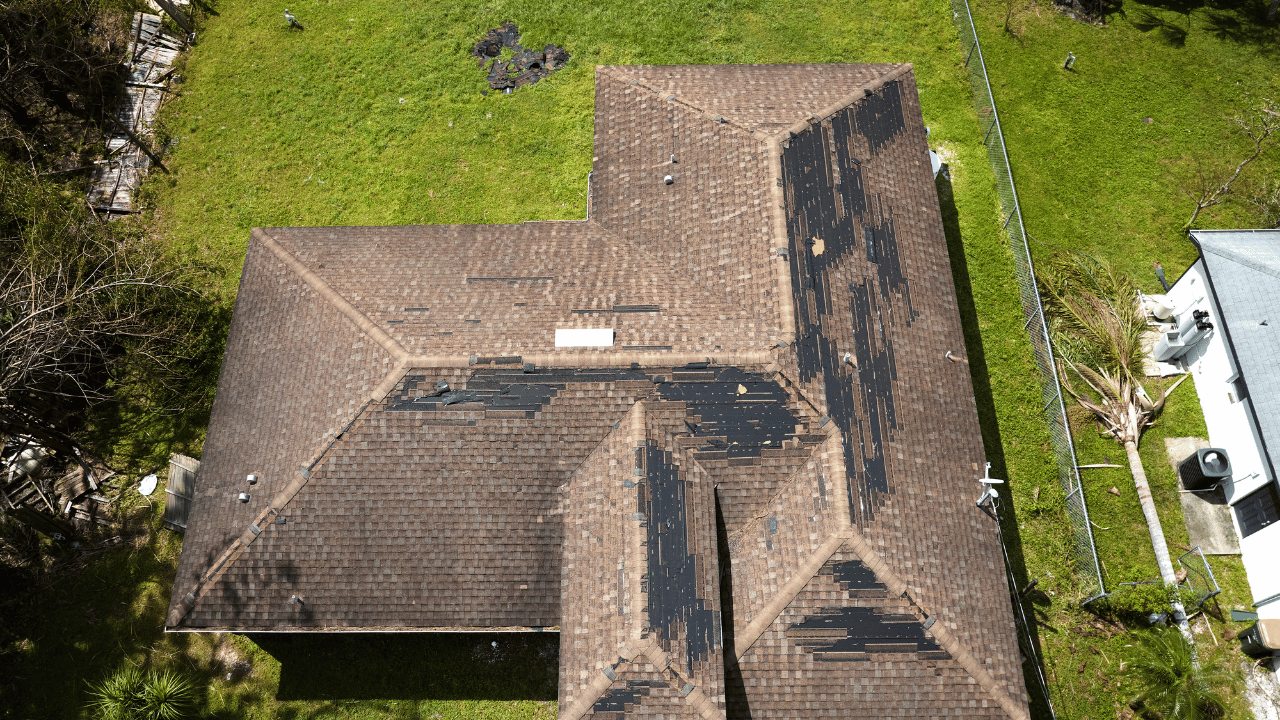
Storm damage weakens roofing and can lead to costly repairs if ignored. This guide highlights the most important signs to watch for, immediate homeowner actions, what inspectors look for, and how to document damage for insurance. It also explains the value of free local inspections and what to expect.
Key Signs of Storm Damage on a Roof
Early detection prevents escalation. Typical signs:
Missing, Cracked, or Curled Shingles: Shingles lifted, split, or curled indicate wind or impact damage.
Granules Collecting in Gutters: Heavy granule loss suggests shingle wear or hail impact.
Dents or Bruises from Hail Impacts: Blistered or indented shingles may allow leaks later.
Note these signs and arrange a professional review promptly.
Steps Homeowners Should Take Next
After noticing damage, take focused, practical steps:
Contact a Roofing Expert: Get a professional assessment to confirm damage and options.
Document the Damage: Photograph affected areas from multiple angles for records.
Schedule a Professional Inspection: A contractor can spot hidden issues from ladders or drones.
For Tulsa homeowners, contacting Apex Roofing for a free inspection provides an immediate professional check.
What Are the Common Signs of Roof Storm Damage?
Common indicators to confirm damage:
Missing, Cracked, or Curled Shingles Exposed underlayment and increased leak risk.
Granule Loss : Visible in gutters or on the ground around the house.
Visible Leaks or Discoloration: Interior stains or damp spots indicate penetration.
Keep a checklist when inspecting after a storm to spot these quickly.
How to Recognize Hail Damage on Your Roof Shingles
Hail effects can be subtle; inspect closely:
Small Dents or Bruises on Shingles: Soft spots or dark bruises often indicate impact.
Granule Loss: Look in gutters and at downspouts for excess grit.
Circular Impact Marks: Repeated round marks show hail patterning.
If you find these signs, keep photos and consult a pro.
Identifying Wind Damage and Roof Leaks After a Storm
Wind and debris cause visible and hidden damage:
Missing or Damaged Shingles: Loose or gone shingles expose the roof deck.
Water Stains on Ceilings: Interior staining often points to active leaks.
Debris Accumulation: Tree limbs or shingle fragments signal dislodged material.
Address wind-related issues quickly to avoid secondary damage.
When Should You Schedule a Professional Roof Storm Damage Inspection?
Schedule inspections at strategic times:
Early Spring for Pre-Storm Inspection: Fix vulnerabilities before severe weather.
After Major Weather Events: Check roofs soon after storms to catch new damage.
Late Fall for Post-Season Inspection: Prepare your roof for winter conditions.
Regular checks extend roof life and reduce costly emergency repairs.
Benefits of a Free Roof Inspection from Local Tulsa Experts
A complimentary inspection offers practical advantages:
No Cost Evaluation: Learn your roof's condition without commitment.
Identification of Hidden Damage: Pros spot subtle issues homeowners may miss.
Support for Insurance Claims: Reports help document damage for claims.
What to Expect During a Roof Hail Damage Inspection
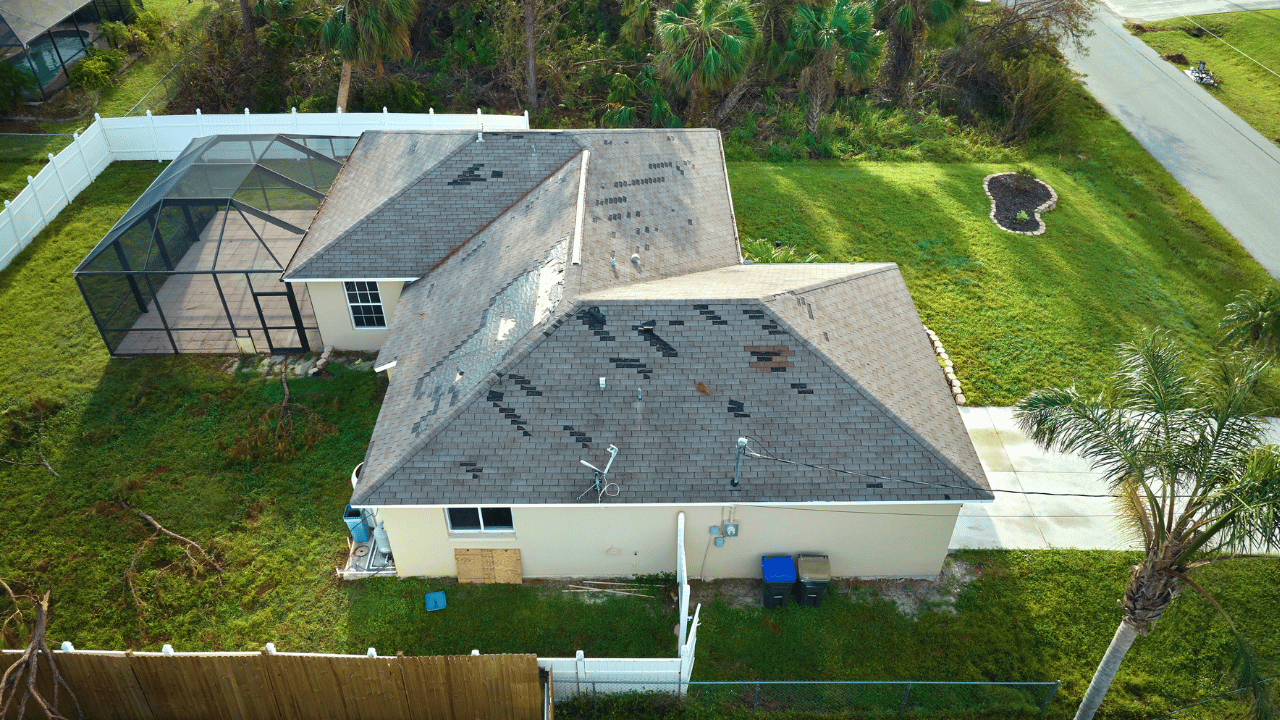
Inspectors follow a clear process:
Assessment of Damage: Measure and record hail impacts and affected areas.
Identification of Issues: Look for leaks, weakened shingles, and flashed areas.
Detailed Report Provided: Receive recommendations and photographic evidence.
A documented report makes the next steps and claims easier to manage.
How to Document Roof Damage for Insurance Claims After a Storm
Thorough documentation speeds claims and reduces disputes:
Take Detailed Photos: Capture wide shots and close-ups from several angles.
Maintain Repair Records: Keep invoices, estimates, and inspection notes.
Coordinate with Your Insurance Provider: Follow policy instructions and submit documentation promptly.
Organized records strengthen your claim and support fair settlements.
Steps to Take Immediately After Noticing Roof Damage
Quick, practical actions reduce further harm:
Contact a Roofing Expert: Arrange an inspection to confirm damage and risks.
Document the Damage: Photograph and log locations and dates.
Consider Temporary Solutions: Use tarps or covers to limit water entry until repairs.
Temporary fixes preserve your home while a permanent plan is arranged.
Tips for Filing a Roof Damage Insurance Claim Successfully
Follow practical steps to support your claim:
Document the Damage: Provide clear photos and dated records.
Contact Your Insurance Provider: Notify them promptly and follow their guidance.
Prepare for an Adjuster: Share documentation and be ready to show damage.
Professional inspections and clear records make claims more straightforward.
Filing claims can be complex; rely on experienced contractors and adjuster guidance when needed.
Forensic Evaluation of Storm Damage & Insurance Claims
Severe thunderstorms, frequently accompanied by high winds and hail, have the potential to damage roofing systems and other exterior building components. Insurance claims for storm damage — both legitimate and unwarranted — have come under increased scrutiny due to indistinct or altered dates of loss, the broadening of stated causes, and the offering of technically unsupported opinions by individuals who lack appropriate qualifications.
Forensic Evaluations of Built-Up Roofing Storm Damage Claims and the Appraisal Process, 2015
What Are Your Roof Repair and Replacement Options After Storm Damage?
Typical responses after inspection include:
Emergency Tarping: Short-term protection to stop leaks.
Roof Repairs: Targeted fixes for isolated damage.
Full Roof Replacement: Needed when damage is extensive or the roof is aged.
Weigh immediate needs against long-term value when choosing a solution.
Assessing When Roof Repair Is Sufficient Versus Replacement
Consider these factors:
Extent of Damage: Few damaged shingles vs. widespread failure.
Roof Age: Older roofs may justify replacement.
Cost Considerations: Compare repair costs to replacement benefits.
A contractor's assessment helps weigh short-term repairs against long-term investment.
Choosing Reliable Roof Repair Services in Tulsa and Green Country
Use these criteria to choose a contractor:
Check Licensing and Insurance: Verify credentials and coverage.
Look for Experience: Prefer contractors with storm-repair experience.
Read Reviews and References: Confirm past performance with other homeowners.
Choosing a reputable contractor reduces the risk of poor repairs.
For homeowners in Jenks, select a contractor familiar with local codes and weather. Apex Roofing provides services tailored to local needs.
Homeowners in Broken Arrow can also access regional storm-repair specialists. Apex Roofing offers solutions for storm-related roof issues.
If you have additional questions, check out our FAQ for more details.
Watch for The Signs
Promptly identifying and documenting storm damage protects your home and supports insurance claims. Watch for the listed signs, document clearly, and schedule a professional inspection to decide on repairs or replacement.
