Expert Tips on Flat Roof Design for Modern Homes
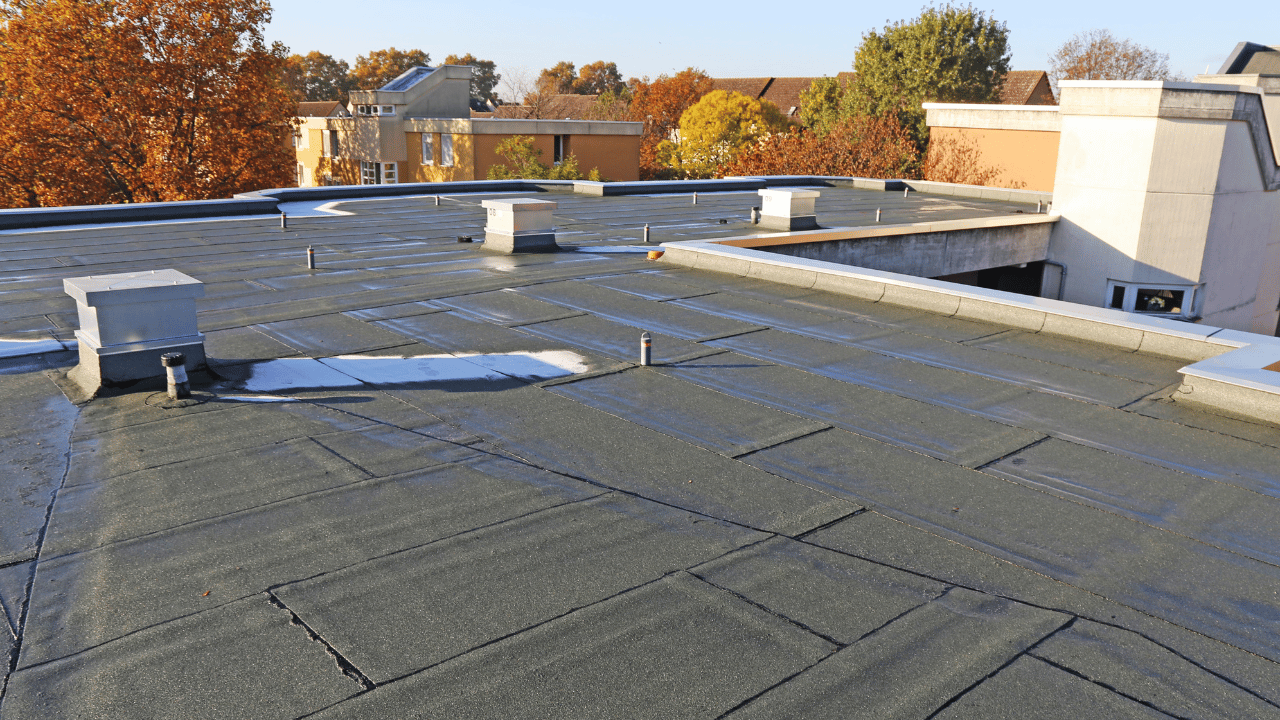
Flat roofs sit nearly level and use membrane layers, drains, scuppers, or parapet details to move water away. They’re common in both homes and businesses around Tulsa. This guide walks through the main flat-roof systems: EPDM, TPO, PVC, modified bitumen, and built-up roofing, and explains how each performs in Oklahoma’s heat and stormy seasons. You’ll learn what to expect during installation, how repairs are handled, and what routine maintenance keeps a roof lasting longer. Storm damage, ponding water, and higher summer cooling bills are frequent concerns here; understanding material durability, energy trade-offs, and simple inspection checkpoints helps you choose cost-effective options. Find side-by-side comparisons, a practical maintenance checklist, a clear repair workflow for storm damage, and a breakdown of cost drivers, plus financing help. Ready for a local assessment? Schedule a free inspection with Apex Roofing & Exteriors.
TL;DR
Explore the 5 main flat roof systems: EPDM, TPO, PVC, Modified Bitumen, and Built-Up Roofing (BUR).
Understand how each system performs against Tulsa's heat, storms, and climate challenges.
Get practical insights into installation processes, repair strategies, and essential maintenance.
Learn to identify and address common issues like storm damage, ponding water, and energy efficiency.
Access side-by-side comparisons, maintenance checklists, repair workflows, and financing options.
Main Types of Flat Roofs You’ll See in Tulsa
In Tulsa, flat roofs generally fall into five system types that differ by material, layering, and how they’re installed. Each balances lifespan, cost, and suitability for residential or commercial buildings. Knowing these types helps you judge expected life, maintenance needs, and when repair is sensible versus replacement, especially after storms or sustained heat. Below, we summarize Built-Up Roofing (BUR) and Modified Bitumen, then compare all five common systems so building owners can focus on drainage, flashing, and membrane details during installation and repairs.
Commercial and Low-Slope Roofing Systems
Layered and Bituminous Systems
Built-Up Roofing (BUR) offers a long typical lifespan of 20–30 years and falls into the Moderate to High cost range. It is best used for commercial, low-slope multi-layer protection. Its main pro is its very durable multi-layer protection, while its con is that it is heavy and labor-intensive to install.
Modified Bitumen provides a shorter lifespan of 15–20 years at a Moderate cost. It is typically suited for small commercial or residential flat roofs. The primary pro is that it uses flexible sheets with torch or cold-applied options, but a key con is that its seams need quality installation to prevent leaks.
Single-Ply Membrane Systems
EPDM Rubber is a cost-effective single-ply option, lasting 20–30 years and falling into the Low–Moderate cost range. It is best used for residential applications or budget-conscious commercial roofs. The pro is that it is cost-effective and easy to repair, but the con is that it is naturally darker unless coated, which can affect energy efficiency.
TPO (Thermoplastic Polyolefin) has a lifespan of 15–20 years at a Moderate cost. It is ideal for commercial, energy-conscious buildings. Its pros include good reflectivity (saving on cooling costs) and strong welded seams. However, a key con is that material quality can vary between manufacturers.
PVC (Polyvinyl Chloride) offers a long lifespan of 20–30 years at a Moderate–High cost. It is the best option for commercial roofs needing chemical resistance (such as restaurants or facilities with rooftop equipment). It is highly durable, features strong welded seams, but its con is a higher initial cost compared to EPDM or TPO.
That comparison shows how each system matches Tulsa’s climate and building needs. Below we take a closer look at BUR and modified bitumen and how they’re used on local roofs.
Built-Up Roofing: Features and Benefits
Built-Up Roofing (BUR) is a layered system of felt or fabric and bitumen that creates a heavy, redundant membrane. Those layers resist water migration and disperse punctures, and the assembly’s thermal mass can help with heat regulation during Tulsa’s hot months. BUR is a common choice for low-slope commercial roofs where longevity matters more than lightweight construction. Routine care focuses on the surface finish and flashing details. BUR delivers long-term performance but needs professional installation and occasional surface renewals to stay watertight.
Modified Bitumen: Where It Fits
Modified bitumen pairs asphalt membranes with polymer modifiers to improve flexibility and temperature tolerance. It comes in sheets applied by torch, cold adhesives, or self-adhering systems, so it works for a range of project sizes. For smaller commercial roofs and many residential flat roofs, it’s a middle ground between BUR’s redundancy and single-ply simplicity, easier to repair and better at handling movement. The installation method affects seam integrity and installer safety, so quality control during installation is essential for long-term results. Weigh repairability and thermal behavior against installation complexity when considering modified bitumen in Oklahoma.
Which Flat Roof Materials Offer the Best Durability and Energy Efficiency?
Your material choice determines how a roof stands up to hail, UV exposure, and heat gain. Compare membranes by durability, insulation needs, reflectivity, and maintenance to decide what’s best for a Tulsa property. EPDM resists punctures and tears, while PVC and TPO offer strong seam welding and reflectivity that cut cooling loads. Energy performance comes from reflectivity and emissivity, the “cool roof” effect, with white TPO and PVC typically delivering measurable cooling versus dark EPDM.
In short, energy-focused retrofits often favor TPO or PVC with added insulation, while durability-minded budgets may choose EPDM or BUR paired with good drainage and coatings.
Why Choose EPDM Rubber for Flat Roofs?
EPDM is a rubber membrane known for simplicity, elasticity, and strong performance through thermal cycles, qualities that make it a cost-effective option for many Tulsa residential flat roofs. Its rubber chemistry resists UV and repeated expansion-contraction better than some asphaltic products. EPDM is installed fully adhered, mechanically attached, or ballasted, depending on the substrate and wind exposure. Repairs are straightforward with patches and seam work, but unless you add a reflective coating, EPDM’s darker surface will absorb more heat in summer.
How TPO and PVC Help Cut Cooling Costs
TPO and PVC are single-ply thermoplastic membranes that reduce solar heat gain through high reflectivity and emissivity. Welded seams create continuous, watertight joints that improve durability, and when paired with proper insulation they can reduce HVAC loads during hot months. TPO’s formulation has varied by manufacturer, while PVC tends to offer strong chemical resistance and dimensional stability. For energy-focused upgrades, specify membrane reflectivity, adequate insulation R-value, and professional seam welding for lasting results.
How Experts in Tulsa Install Flat Roofs
Professional flat roof installation follows a clear workflow: a thorough assessment, careful substrate prep, precise membrane work, and final checks on drainage, flashing, and seams. Typical steps include documenting existing conditions, deciding whether to repair or tear off, preparing the substrate, installing insulation, applying the membrane, detailing flashings at penetrations and parapets, and confirming drainage and cleanup. Proper substrate flatness and slope to drains prevent ponding, the top cause of membrane failure, so installers test seams and flashings before finishing. Apex Roofing & Exteriors offers professional installation services in Tulsa; schedule a free inspection to confirm system selection, warranties, and workmanship assurances.
Key Steps in a Professional Flat Roof Installation
A reliable installation follows a consistent sequence: initial inspection, structural check, substrate prep or tear-off, insulation placement, membrane application, flashing and penetration detailing, and final quality testing. Removing wet or damaged decking and leveling the surface prevents stress points; insulation establishes thermal and vapor control. Membrane application differs by system, BUR layering, torch or cold-applied modified bitumen, or welded single-ply, but all require careful seam and flashing work for watertightness. Final tasks include verifying slope to drains, sealing scuppers, and documenting workmanship to support warranties and reduce future repairs.
How Apex Roofing Protects Quality and Longevity
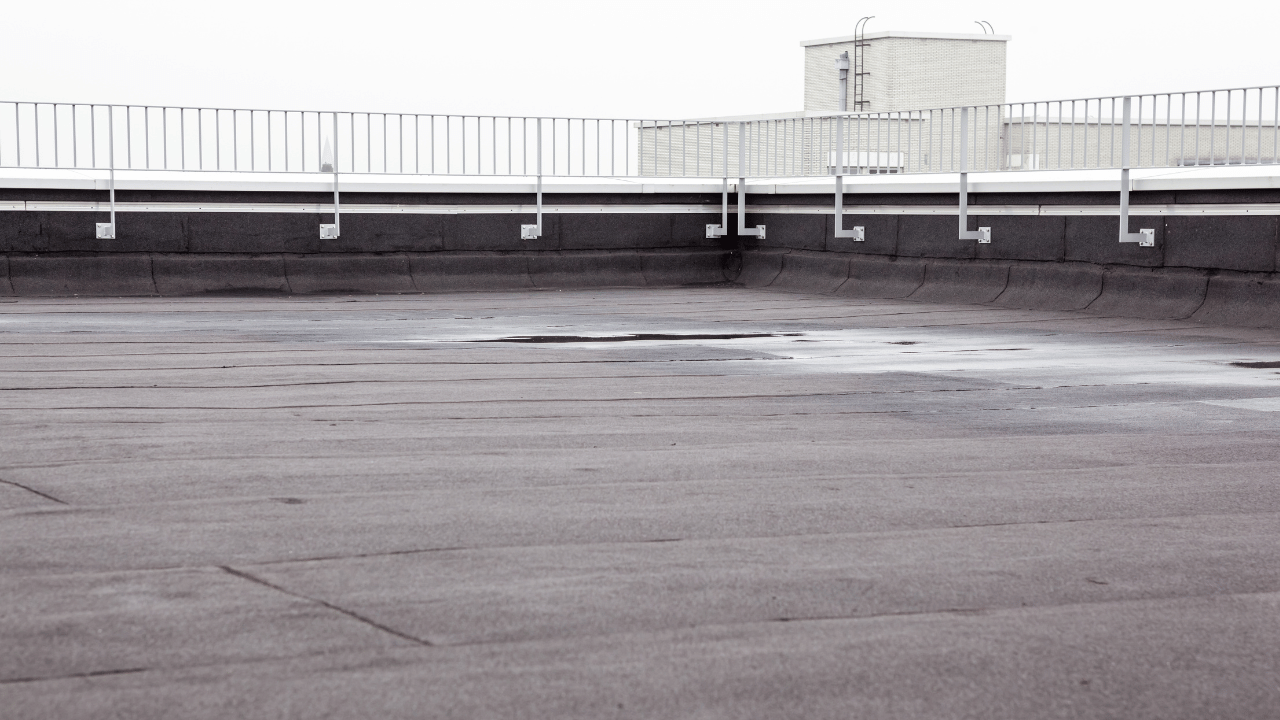
Apex Roofing & Exteriors pairs high-quality membranes with rigorous installation checkpoints: substrate inspection, correct insulation and vapor barrier placement, professional seam treatment, and thorough flashing work. We match material choices to the building’s use and Tulsa’s climate and train crews to focus on critical details like drain integration and parapet flashing; those are the areas that determine long-term watertightness. Post-installation, we document inspections and recommend scheduled maintenance to protect warranties and performance. If you’re considering a replacement or upgrade, schedule a free inspection with Apex Roofing & Exteriors for a tailored plan that balances material performance, warranty terms, and long-term cost.
Common Flat Roof Problems and How Repairs Work in Tulsa
Flat roofs most often fail from ponding water, seam failures, punctures, and deteriorated flashings, problems accelerated by storms, hail, and daily thermal cycles in Tulsa. Spotting issues early requires both interior and exterior checks: ceiling stains or active drips often show advanced breaches, while exterior pooling or blistering signals membrane distress that needs quick attention. Repair strategy depends on the failure: temporary patches can stop leaks immediately, while permanent repair or full replacement is necessary when substrate damage, widespread seam failure, or chronic ponding threaten structure. Apex Roofing & Exteriors handles storm triage, repair workflows, and insurance-claim support; a free inspection is the best first step to document damage, start mitigation, and review financing options.
Watch for these common problems and act quickly when you see them.
Ponding Water: Water standing longer than 48 hours increases membrane stress and speeds deterioration.
Seam and Flashing Failures: Seams and flashings are frequent leak points when adhesives or welds fail.
Punctures and Membrane Tears: Foot traffic or falling debris can create direct leak paths.
These issues highlight the value of proactive inspections and fast temporary fixes to avoid costly structural repairs. The next section covers owner-visible signs that should trigger a professional inspection.
Signs of Flat Roof Leaks and Damage
Inside, look for ceiling stains, mold growth, or active drips; these indicate the membrane has allowed water in and needs prompt attention. Outside, look for persistent ponding, cracked or blistered membrane, shifted ballast, and loose flashings around penetrations or parapets. After storms, check drains and scuppers and note any pooling spots; record photos to prioritize repairs and support claims if needed. If you see these signs, contact a professional for a free inspection to diagnose the cause and recommend emergency patches or permanent repairs.
How Apex Roofing Handles Repairs and Storm Restoration
Apex Roofing & Exteriors follows a structured repair process: document damage, apply temporary weatherproofing to stop leaks, assist with insurance documentation when applicable, then complete permanent repairs or replacement based on scope. This approach protects homeowners by stopping active water entry and limiting interior damage while producing the documentation insurers require. We also explain financing options and project timelines so repairs don’t get delayed. For storm-impacted properties, a free inspection gets an immediate assessment that supports mitigation and claims.
Maintenance to Extend Flat Roof Life in Oklahoma
A proactive maintenance plan lowers the risk of premature failure by removing debris, keeping drains clear, preserving flashing integrity, and addressing small seam issues before they grow, especially important in Oklahoma’s cycles of heat, storms, and hail. Regular tasks include clearing drains and scuppers, inspecting flashings and roof penetrations, removing vegetation, and checking for ponding after heavy rain. Seasonal inspections before storm season and after major events catch problems early and keep repair costs down. Use the checklist below for homeowner tasks and know when to call a pro for help.
Clear drains and scuppers monthly during heavy-leaf seasons to prevent ponding and backups.
Inspect flashings and sealants seasonally and after major storms for separation or deterioration.
Remove debris and vegetation promptly to avoid punctures and trapped moisture.
Following these maintenance steps reduces emergency repairs and extends roof life. If you find structural concerns or repeated leaks, schedule a free professional inspection to review permanent options.
Essential Maintenance Tips for Tulsa’s Climate
In Tulsa, prioritize preventing ponding and limiting hail damage: keep surfaces clear, ensure drains work, and inspect flashings after high winds or hail. Consider protective walkway pads in high-traffic service areas to prevent mechanical wear. Reflective coatings can improve energy performance on dark membranes like EPDM, just make sure coatings are compatible before applying. If you see repeated leaks or substrate deterioration, arrange a professional assessment to choose between localized repairs and full restoration.
How Often Should You Inspect a Flat Roof?
For most Tulsa flat roofs, inspect at least twice a year, spring and fall, and add checks after major storms, hail, or freeze-thaw events. Biannual inspections strike a good balance between cost and preventive care, catching clogged drains or seam issues before they cause interior damage. Always document inspection findings with photos and notes to support maintenance planning and insurance claims. Unsure about timing or scope? Schedule a free inspection with Apex Roofing & Exteriors for a documented assessment and a recommended inspection cadence tailored to your roof.
Typical Costs and Financing for Flat Roof Work in Tulsa
Project costs depend on material choice, roof size, tear-off needs, substrate repairs, and access or safety requirements. Knowing these cost drivers helps you weigh repair versus replacement and understand financing options to manage up-front expenses. Main factors include membrane type (EPDM, TPO, PVC, modified bitumen, BUR), whether a full tear-off and substrate replacement are needed, complexity of flashings and penetrations, and structural repairs after storm damage.
What Drives Repair and Replacement Costs?
Major cost drivers are roof area and complexity, membrane choice, whether a tear-off or overlay is needed, substrate or deck condition, and rooftop penetrations or equipment that require flashing work. Accessibility and safety needs, scaffolding or crane lifts, add to labor and equipment costs. Extensive structural repairs or mold remediation increase the scope significantly. Proper documentation can help insurance cover storm-related repairs, and elective energy-efficiency upgrades (insulation, reflective membranes) raise upfront costs but lower long-term operating expenses. Before an estimate, document roof dimensions, known leaks, and recent storm impacts for the inspector.
How Free Inspections and Financing Help Tulsa Homeowners
Free inspections give a no-cost, no-obligation evaluation that documents current conditions, defines the true scope of work, and produces the estimates insurers and lenders need. Flexible financing options reduce the upfront burden and make needed repairs affordable without sacrificing material quality. Apex Roofing & Exteriors offers free inspections and highlights financing choices so homeowners can move from diagnosis to action with clear cost options and insurance support when applicable. Schedule a free inspection to get a tailored estimate and explore financing specific to your property.
Make Smart Choices Now
Knowing how flat roofing systems perform in Tulsa helps you make smarter choices that improve durability and energy efficiency. By comparing materials, following basic maintenance, and addressing issues quickly, you can reduce risk and extend your roof’s life. For personalized advice and a local assessment, schedule a free inspection with Apex Roofing & Exteriors and take the first step toward a resilient, efficient flat roof.
