Durable Vinyl Siding Replacement Options for Your Home
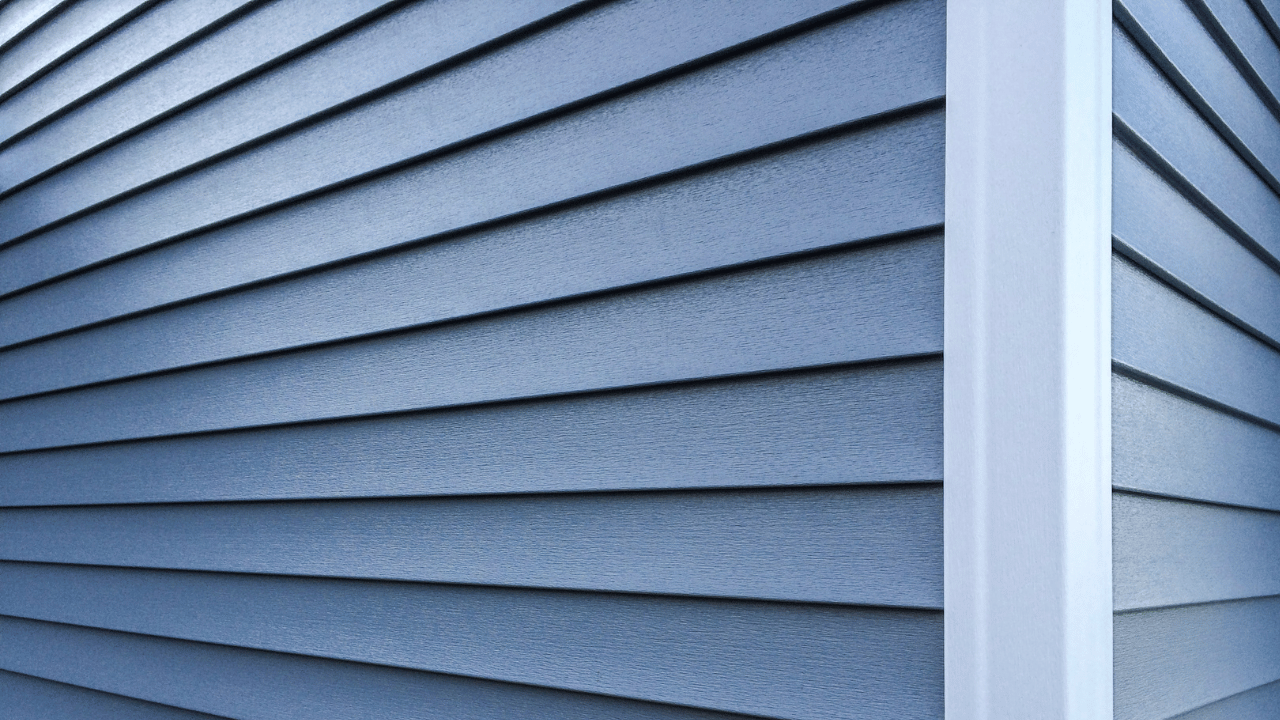
Durable vinyl siding is a practical choice for Tulsa homeowners who want weather-resistant, low-maintenance cladding that improves curb appeal and handles storm damage. This guide explains what “durable” means in our local climate, why vinyl often outperforms other exteriors here, and how insulated panels can lower energy use and ease HVAC strain. You’ll find clear benefits, the vinyl types and profiles that suit Tulsa’s wind and hail exposure, a straightforward installation workflow, and transparent cost factors specific to the area. We also compare vinyl with fiber cement, wood, and metal, and show how to get a professional evaluation and next steps. For full exterior services, rely on our expert installation team.
TL;DR
Durable vinyl siding provides weather resistance, low maintenance, and enhanced curb appeal for Tulsa homes.
Discover how insulated vinyl panels can improve energy efficiency and reduce HVAC strain.
Learn about the best vinyl types and profiles suited for Tulsa's specific wind and hail conditions.
Understand the installation process, cost factors, and how vinyl compares to other siding materials.
Find out how to schedule a professional evaluation and get expert installation services.
What Are the Key Benefits of Durable Vinyl Siding Replacement?
Replacing old cladding with durable vinyl delivers long-lasting weather protection, lower maintenance, improved energy performance when insulated, and strong value for most Tulsa homes. Vinyl resists rot and insect damage that hurt porous materials, and modern formulas offer better UV and impact resistance for storm seasons. Those performance gains translate into predictable lifecycle savings and an attractive curb appeal boost, both important when planning a renovation. Below are the homeowner-focused benefits to weigh when choosing a durable vinyl system.
Durable vinyl siding provides several primary homeowner benefits:
Durability & Weather Resistance: Engineered vinyl stands up to moisture, rot, and typical storm impacts.
Low Maintenance: No repainting; simple periodic cleaning keeps it looking good.
Energy Efficiency: Insulated panels raise wall R-value and can reduce HVAC runtime.
Cost-Effectiveness: Generally lower installed cost than many premium claddings.
Those advantages make vinyl an appealing option for homeowners who want long-term performance with minimal upkeep. Next, we explain how vinyl achieves this durability and what maintenance keeps it working for years.
How Does Vinyl Siding Provide Long-Lasting Durability and Weather Resistance?
Vinyl’s durability comes from its PVC makeup, panel thickness, and smart detailing that sheds water and resists impact, reducing rot and moisture intrusion. Properly installed rigid panels, starter strips, flashing, and j-channel terminations form a continuous barrier that helps keep wind-driven rain out. UV-stabilized and impact-modified formulations hold color and resist cracking from hail or debris, which matters during Tulsa’s stormy periods. Correct installation, ventilation behind insulated panels and secure fastenings for high winds, extends service life and lowers the risk of storm damage.
Understanding the material’s science highlights installation priorities like sealing transitions and reinforcing exposed corners, and it points to the maintenance and inspection steps to take after severe weather.
Why Is Vinyl Siding a Low-Maintenance and Energy-Efficient Choice?
Vinyl needs only routine cleaning and occasional checks, not the regular painting or staining that wood requires. A gentle wash removes dirt and mildew, while factory-applied colors reduce fading and eliminate repaint cycles. Insulated vinyl pairs a foam backing with the panel to boost effective R-value at the wall assembly, helping stabilize indoor temperatures and cutting heating and cooling cycles in Tulsa’s seasonal climate. Those energy gains are modest but measurable, especially when replacing older, uninsulated siding.
Because upkeep is simple and efficiency benefits add up, many homeowners find insulated vinyl a balanced retrofit: higher upfront cost but lower utility and maintenance expenses over time. Picking the right profile and thickness further improves both look and thermal performance.
What Types of Vinyl Siding Are Best for Tulsa Homes?
Choosing vinyl for a Tulsa home means matching performance needs with the style you want. Options vary by thickness, impact reinforcement, and whether a foam insulation backing is bonded to the panel. Profiles like clapboard, dutch lap, and shake mimic traditional looks, while engineered interlocking systems resist wind uplift. Pick products rated for wind and hail resistance and pair them with proper trim and flashing to improve longevity in storm-prone neighborhoods.
What Are the Differences Between Standard and Insulated Vinyl Siding?
Standard vinyl is a panel-only system that provides a weather barrier and finish at a lower material cost. Insulated vinyl adds a factory-applied foam backing that increases rigidity and thermal resistance. The foam raises effective R-value, reduces thermal bridging, and helps panels lay flat and resist denting, useful in high-wind or hail-exposed areas. Installation of insulated panels requires careful fastening and substrate prep to realize the insulation benefit and avoid trapping moisture. For older wall assemblies or homeowners focused on energy savings, insulated vinyl often offers better lifecycle value despite the higher upfront price.
Knowing these differences helps you decide whether to invest in aesthetics, efficiency, or storm resilience based on your neighborhood and goals.
Which Vinyl Siding Profiles and Styles Enhance Home Aesthetics?
Profiles, such as clapboard, dutch lap, and shake, shape a home’s character and perceived scale, so choose a profile that matches your home style and resale expectations. Clapboard gives a classic horizontal look for bungalows and colonials; dutch lap adds shadow lines for depth; shake textures work well on gables or as accents. Color and trim choices also influence how large or refined a house looks: lighter colors can open up a façade, while darker trim highlights windows and corners.
Match profile and color to local architectural norms in Tulsa neighborhoods to preserve cohesion and boost marketability. Review sample boards and visual mock-ups before you decide.
How Does the Vinyl Siding Replacement Process Work with Apex Roofing & Exteriors?
The vinyl siding replacement process follows a clear sequence: assessment, material selection, controlled removal, substrate repairs, precise installation, and a final quality inspection. The initial inspection identifies damaged sheathing, flashing needs, and whether insulation upgrades make sense; measurements and product choices produce a detailed estimate. After removal and repairs, installers fit panels, trim, and accessories with attention to drainage and thermal movement. A final walkthrough checks fastener placement, seals, and alignment to meet warranty and performance standards.
Apex Roofing & Exteriors brings local experience to every step, focusing on quality materials and a low-stress process. We also assist with insurance claims and offer flexible financing when needed. Start with a free inspection to confirm siding condition, explore insulated options, and get a clear plan for repair or replacement.
What Are the Step-by-Step Stages of Vinyl Siding Installation?
Typical installation stages are: inspection and measuring, removal of old siding, sheathing and flashing repairs, underlayment and insulation (if selected), panel installation with correct fastener technique, trim work, and final cleanup and inspection. The inspection documents damage and any moisture or structural issues that must be fixed before new cladding goes on. Substrate repairs create a flat, dry surface; installers follow manufacturer specs for overlaps and fastener spacing to allow thermal movement. The final check confirms both appearance and functional details like drip edges and sealed transitions.
Timelines vary by home size and repair needs; clear communication through each stage helps avoid surprises and ensures the finished job meets your expectations.
How Does Apex Ensure Quality and Stress-Free Siding Replacement?
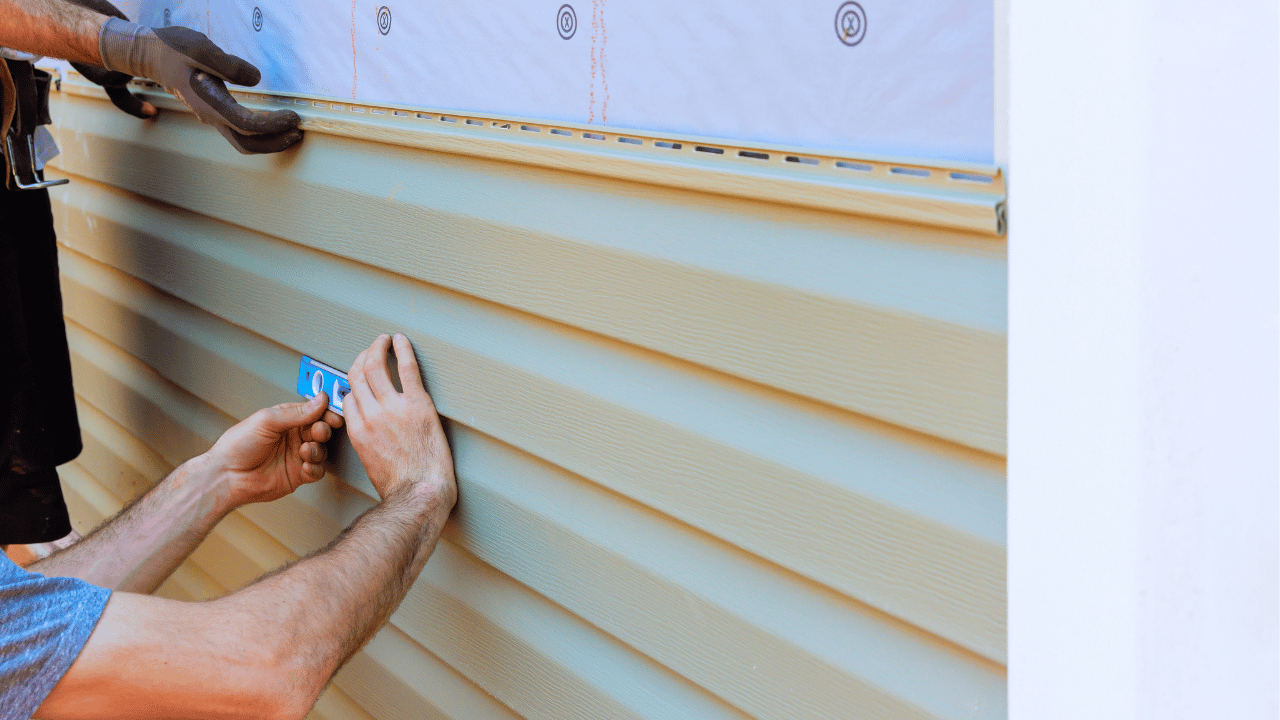
Apex Roofing & Exteriors focuses on clear communication, vetted materials, and help with insurance claims and financing to lower homeowner stress. Crews install to manufacturer standards, perform documented quality checks, and leave the site clean and safe. If storm damage is involved, we help prepare documentation for insurers and explain coverage options without pressure. Flexible financing options and free inspections give homeowners a no-obligation way to get accurate estimates and make informed choices.
These service elements streamline projects while keeping you in control of material and design decisions. For a free evaluation that leads to clear next steps, our process centers on transparent inspections and options.
What Is the Cost of Vinyl Siding Replacement in Tulsa and What Financing Options Are Available?
Replacement costs in Tulsa depend on material choice, house size and complexity, removal and disposal of existing cladding, required sheathing repairs, trim and accent options, and local labor rates. Standard panels are less expensive than insulated or impact-modified systems; trim, soffit, and flashing add to the total. Budgeting should also account for scaffolding on multi-story homes and any structural repairs found during removal. Understanding these drivers helps homeowners choose upgrades, like insulated siding, that may deliver long-term energy savings.
What Factors Influence Vinyl Siding Replacement Costs in Tulsa?
Primary cost drivers are house size, architectural complexity, choice of standard versus insulated or impact-resistant panels, and how much substrate repair is needed. Multi-story homes require scaffolding and extra safety measures, and many penetrations (vents, bay windows) add installation time. Higher-grade materials improve appearance and lifespan but increase upfront cost; impact-modified or insulated panels may lower future repair and energy expenses. Seasonal demand and local contractor availability can also affect pricing.
Transparent, itemized estimates help homeowners decide which upgrades are essential and which can wait to balance budget and long-term resilience.
How Can Flexible Financing Make Vinyl Siding Affordable?
Flexible financing spreads replacement costs over time, making higher-performance choices, like insulated or impact-modified siding, more accessible without a large upfront payment. Financing options often include fixed monthly plans or short-term payment structures so homeowners can balance immediate repair needs with manageable cash flow. Apex Roofing & Exteriors offers financing and insurance-claims assistance to help you weigh cost-effective options. Pairing financing with a free inspection gives a clear budget and timeline that match your goals.
With the right plan, you can get the protection and efficiency your home needs while keeping payments predictable.
How Does Vinyl Siding Compare to Other Exterior Siding Materials?
Vinyl compares well to fiber cement, wood, and metal on maintenance, weight, and cost, though other materials have their own strengths. Vinyl is lighter and easier to install than fiber cement, which is heavier and more brittle but offers strong impact and fire resistance. Wood provides classic looks and can boost resale value but needs regular painting and is vulnerable to rot and insects. Metal siding is durable and modern-looking but can dent and conduct heat. Choose based on climate exposure, long-term maintenance, and installation constraints.
What Are the Advantages of Vinyl Siding Over Fiber Cement and Wood?
Vinyl generally costs less to install and maintain than fiber cement or wood, is lighter to handle, and resists rot and insect damage that affect wood. Factory-applied colors reduce repainting, and modern insulated or impact-modified panels narrow performance gaps with heavier materials. While fiber cement offers fire resistance and wood delivers unique aesthetics, vinyl’s affordability and low upkeep make it the practical choice for many homeowners. In Tulsa’s humid and storm-prone climate, vinyl’s moisture and pest resistance is a clear plus.
Understanding these trade-offs helps homeowners prioritize the attributes that matter most for their neighborhood and long-term plans.
When Is Vinyl Siding the Best Choice for Tulsa’s Climate?
Vinyl is a strong choice for Tulsa homeowners who want low maintenance, affordability, and good resistance to moisture and insects, with solid wind and hail performance when using impact-modified or reinforced options. In storm-prone areas, reinforced panels, correct fastening, and quality trim details reduce common failure modes. If energy efficiency is a priority, insulated vinyl raises wall R-value and can cut HVAC cycles across seasonal extremes. Vinyl may be less suitable when a specific fire rating or a high-end historical look calls for wood or specialty materials, but for most replacement projects in Green Country, vinyl offers a balanced, climate-smart solution.
Consider your local exposure and long-term maintenance goals to decide if vinyl is the right fit.
How Can Homeowners Schedule a Free Vinyl Siding Inspection with Apex Roofing & Exteriors?
Scheduling a free inspection starts with a no-obligation request for a professional assessment that documents siding condition, spots moisture or substrate issues, and outlines repair or replacement options tailored to your home. During scheduling we explain what to expect: a visual check, moisture-targeted diagnostics, photos of findings, and a written estimate. The visit validates visible storm damage and explores upgrades like insulated or reinforced panels based on exposure risk. After the inspection, we review the estimate, financing choices, and a proposed timeline so you can make an informed decision.
Apex frames the inspection as a homeowner-first evaluation with clear guidance, financing help, and insurance-claims support. It’s a straightforward first step toward a practical plan with transparent costs and timelines.
What Should You Expect During a Free Siding Inspection?
A typical inspection includes an exterior survey, targeted moisture checks, an assessment of flashing and trim, and documentation of any substrate damage or insulation gaps. Inspectors photograph problem areas, note likely water-entry points, and evaluate adjacent systems, such as gutters and eaves, that affect siding performance. We then provide a written estimate with material options, performance recommendations (for example, insulated panels where they make sense), and a suggested schedule for repairs or replacement. You’ll get clear, prioritized findings to decide what fits your budget and resilience goals.
This written inspection report becomes the basis for accurate cost estimates and helps you choose interventions that deliver the best long-term value.
How to Contact Apex Roofing & Exteriors for Expert Vinyl Siding Replacement?
To arrange an evaluation, reach out to Apex Roofing & Exteriors through our standard contact channels to request a free siding inspection, review financing options, and learn about insurance-claims assistance for storm repairs. During the first contact we’ll help schedule the visit, explain what to prepare, and describe how estimates are delivered. Apex treats the inspection as a low-pressure first step that leads to clear options and a realistic project timeline.
For local homeowners, we offer area-specific services. If you’re a Broken Arrow homeowner, we provide solutions tailored to your neighborhood’s needs.
Similarly, Jenks residents can access dedicated exterior services. Apex ensures every local project, whether in Broken Arrow or Jenks, meets the same high standards of workmanship and attention to detail.
Booking a free inspection is a low-friction way to get an accurate condition assessment and a clear plan for durable siding replacement.
Pick The Perfect Solution
Durable vinyl siding gives Tulsa homeowners a resilient, low-maintenance option that boosts curb appeal while improving energy efficiency and long-term value. By weighing benefits, product types, and installation priorities, you can choose a solution that fits your goals and local climate. Take the next step: schedule a free inspection with our team and see how quality vinyl siding can protect and refresh your home.
