Discover the Best Roofing Materials for Your Business Needs
The materials chosen for your commercial roof are key to its durability, how well it performs energy-wise, and its overall cost over time. This is true whether you have offices, warehouses, or retail spaces. Picking the right system shields your assets from hail, wind, UV rays, and storm damage, all while helping you save on energy bills and manage maintenance costs. In this guide, we’ll walk you through the top commercial roofing materials—single-ply membranes (TPO, EPDM, PVC), metal, modified bitumen, and built-up roofing. We’ll then explore their suitability for flat roofs, storm resistance, energy efficiency, factors to consider when choosing, cost comparisons, financing options, and how Apex Roofing and Exteriors can help Tulsa businesses with expert inspections and flawless installations.
TL;DR
Top commercial roofing materials include TPO, EPDM, PVC, metal, modified bitumen, and built-up roofing.
Materials vary in durability, energy efficiency, installation methods, and maintenance needs.
Flat and low-slope roofs require specialized materials to handle water and weather challenges.
Energy-efficient options like TPO and PVC reduce cooling costs and support sustainability.
Local expertise, such as Apex Roofing in Tulsa, ensures proper material selection and installation.
Financing and insurance claim support are available to ease upfront costs.
What Are the Top Commercial Roofing Materials for Businesses?
Commercial properties need roofing systems that strike a balance between toughness, cost-effectiveness, and energy savings. The most frequently used materials include:
Thermoplastic Polyolefin (TPO) single-ply membrane, known for its reflective qualities and heat-welded seams.
EPDM rubber roofing, offering outstanding weather resistance and flexibility.
PVC membrane, highly valued for its resistance to chemicals and grease, making it ideal for industrial settings.
Metal panels (steel, aluminum, copper), providing impressive longevity and fire resistance.
Modified bitumen systems, which combine asphalt with polymers for superior waterproofing.
Built-up roofing (BUR), featuring multiple layers of asphalt and reinforcing fabrics for robust protection.
Each of these options brings its own set of advantages and trade-offs when it comes to installation, upkeep, and long-term expenses.
What Is TPO Roofing and Why Is It Popular for Commercial Buildings?
Thermoplastic Polyolefin (TPO) roofing is a single-ply membrane created by blending polypropylene and ethylene-propylene rubber into a reflective, heat-weldable sheet. By reflecting as much as 80% of sunlight, TPO roofing helps reduce cooling demands and boosts indoor comfort. TPO’s resistance to UV rays, its puncture strength, and its heat-sealed seams create a continuous waterproof barrier that stands up to wind uplift and chemical exposure. Its relatively light weight and quick installation make it a great choice for flat and low-slope commercial roofs. Plus, its ENERGY STAR® rating means measurable utility savings and a greener building profile.
How Does EPDM Rubber Roofing Benefit Commercial Properties?
EPDM (Ethylene Propylene Diene Monomer) rubber roofing is highly sought after for its elasticity, resistance to tearing, and a long service life of 20–30 years. Available in black or white membranes, it can be adapted to different climates by either absorbing or reflecting heat. EPDM’s seamless installation minimizes water entry at the seams, and its natural resistance to ozone and weathering means less frequent maintenance. The membrane can handle building movement and thermal expansion, reducing stress-related cracks. Businesses benefit from EPDM’s dependable waterproofing and straightforward repairs, leading to predictable maintenance budgets and fewer disruptions.
What Are the Pros and Cons of PVC Roofing for Businesses?
PVC (Polyvinyl Chloride) roofing features welded seams and a rigid vinyl composition that resists chemicals, oils, and grease—qualities that are crucial for restaurants, manufacturing plants, and food processing facilities. Its high fire-resistance rating and UV-stable formulation extend the membrane’s life to 25–30 years. However, PVC can come with higher initial material costs and may require specialized installation teams. PVC roofing offers superior mechanical strength, chemical durability, and energy efficiency, making it an excellent fit for businesses facing harsh interior or exterior conditions where maintaining membrane integrity is paramount.
Why Choose Metal Roofing for Commercial Buildings?
Metal roofing systems—available in standing seam, corrugated panels, and composite shingle styles—offer exceptional longevity, lasting 40–70 years, along with a Class A fire resistance rating and high wind-uplift ratings. Steel and aluminum panels reflect solar radiation and can be paired with insulated metal panels to enhance R-values. Metal panels resist hail damage, and their interlocking design prevents leaks around fasteners. Since metal is fully recyclable at the end of its life, it supports sustainability goals. For warehouses and distribution centers that need to minimize downtime, metal roofs provide rapid installation and require minimal maintenance for decades.
What Makes Modified Bitumen and Built-Up Roofing Suitable for Low-Slope Roofs?
Modified bitumen combines asphalt with polymer modifiers to create multi-layer sheet systems that can be adhered, torch-applied, or self-adhered to low-slope substrates. Built-up roofing (BUR) involves layering asphalt and reinforcing fabrics, topped with gravel or mineral granules. Both methods create redundant waterproofing layers that effectively handle ponding water and resist membrane fatigue. Modified bitumen offers flexibility in cold weather and tear resistance under foot traffic, while BUR’s multiple plies and surfacing protect against UV and mechanical damage. These systems are ideal for roofs with a slope less than 3:12, ensuring robust protection where drainage is limited.
Which Roofing Materials Are Best for Flat and Low-Slope Commercial Roofs?
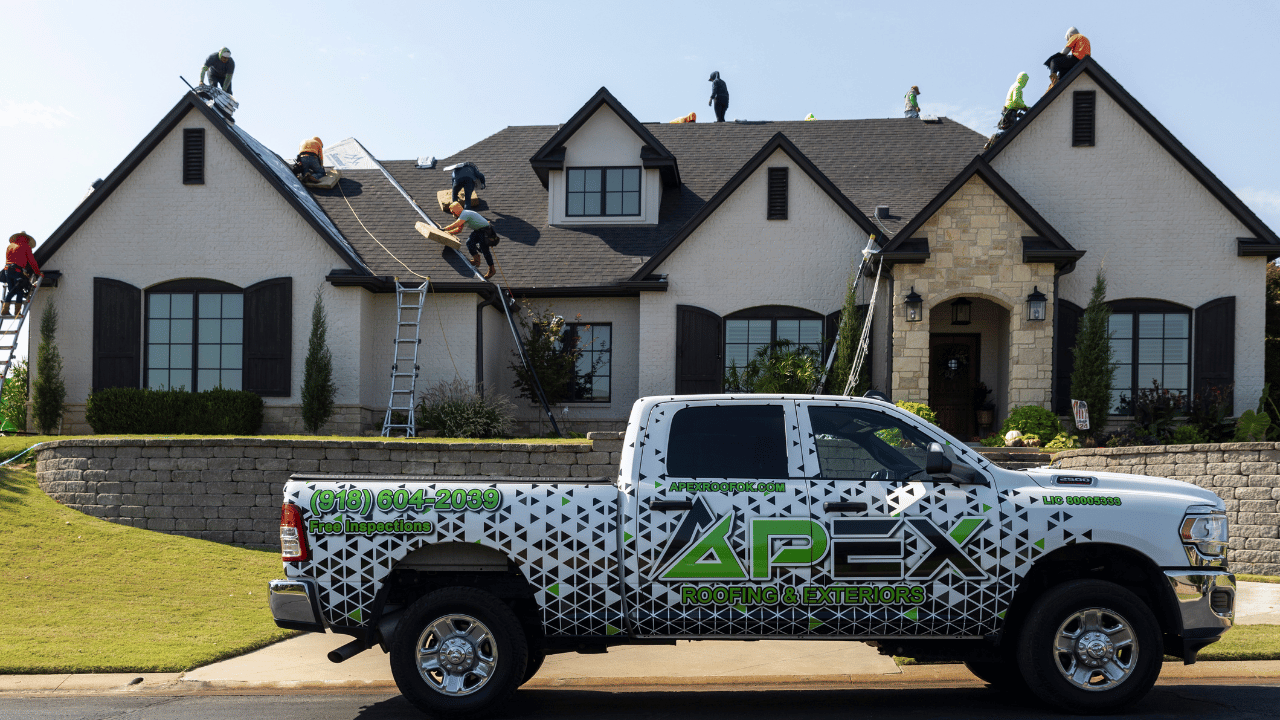
Flat and low-slope roofs require materials that can withstand standing water, membrane movement, and sun exposure. Single-ply membranes, modified bitumen, BUR, and insulated metal panels are all designed to tackle these challenges effectively.
What Are the Best Flat Roof Materials for Businesses in Tulsa and Green Country?
Tulsa’s hot summers, occasional hail, and heavy rainfall call for roofing materials that offer a combination of reflectivity, storm resistance, and proven waterproofing. The top choices include:
TPO single-ply for its high solar reflectance and heat-welded seams.
PVC for chemical resistance, especially in industrial or food-service properties.
EPDM rubber for straightforward, durable weatherproofing.
Modified bitumen for its multi-layer redundancy and tolerance for ponding water.
Built-up roofing for layered protection and UV-resistant surfacing.
These materials comply with local building codes and deliver reliable performance against wind uplift and moisture infiltration.
What Are the Installation Methods and Considerations for Low-Slope Roofs?
Low-slope installations demand meticulous substrate preparation and secure attachment techniques:
Mechanically Fastened membranes use plates and screws to anchor the sheets.
Fully Adhered systems bond the membrane to the insulation or deck using adhesives.
Ballasted single-ply roofs secure membranes with gravel or pavers.
Torch-Applied modified bitumen uses heat to fuse the sheets together.
The choice of method depends on the deck type, wind zones, and building occupancy, ensuring stable performance under local weather conditions.
How Do Commercial Roofing Materials Compare in Durability and Storm Resistance?
A roof’s ability to protect assets and remain watertight is determined by its durability against hail, wind, and UV exposure.
Which Materials Offer the Best Resistance to Hail, Wind, and Storm Damage?
Metal roofing panels provide high impact resistance against hail and can withstand sustained wind uplift ratings of up to 150 mph.
Modified bitumen’s multiple plies and reinforced fabrics are built to handle ponding water and thermal cycling.
TPO membranes, engineered for puncture resistance and featuring heat-welded seams, prevent seam failures.
EPDM’s thick rubber membrane effectively resists hail punctures and tears.
These materials tend to recover quickly after storms with minimal repair needs, ensuring business operations continue smoothly.
Key Factors That Impact the Lifespan of Your Commercial Roof
The average lifespan of commercial roofing systems can vary considerably based on the material type, the quality of installation, how regularly it's maintained, and the local climate. For example, metal roofing can last anywhere from 40 to 70 years, while built-up roofing typically endures for 20 to 30 years.This research directly supports the article's discussion on the typical service life and durability of various commercial roofing materials, including metal and built-up roofing.
Regular inspections help extend the roof’s service life by catching issues like fatigue, seam wear, and drainage blockages early on.
What Maintenance Is Required to Maximize Roofing Durability?
Effective maintenance programs include:
Scheduled inspections to identify seam failures, blisters, and punctures.
Clearing drains and gutters to prevent water from pooling.
Cleaning membrane surfaces to remove debris, chemicals, and oils.
Prompt repairs of any compromised flashing and sealant joints.
Proactive upkeep significantly reduces the risk of water intrusion and enhances the roof’s overall performance.
What Are the Energy Efficiency Benefits of Commercial Roofing Materials?
Energy-efficient roofing helps lower cooling costs, improves occupant comfort, and contributes to sustainability objectives.
How Do TPO and PVC Roofing Reduce Cooling Costs for Businesses?
TPO and PVC membranes are designed with high solar reflectance and thermal emittance:
Reflective white surfaces bounce back up to 80% of solar heat.
A cooler roof surface can reduce HVAC load by 10–15%.
ENERGY STAR®-rated membranes may qualify for utility rebates and LEED credits.
By deflecting heat gain, these membranes help lower peak demand charges and maintain stable interior temperatures.
Study Examines How 3 Different Roof Materials Can Lower Energy Demand
A study conducted by the U.S. Department of Energy's Argonne National Laboratory revealed that certain roofing strategies, including cool roofs, can significantly decrease cooling energy demand. Specifically, cool roofs were found to reduce AC energy consumption by 16.6%.This study provides verifiable data supporting the article's claims regarding the energy efficiency benefits of reflective roofing materials like TPO and PVC in reducing cooling costs.
What Role Does Metal Roofing Play in Energy Efficiency?
Metal roofing panels contribute to energy savings through:
Reflective coatings that deflect solar radiation.
Integration with insulation panels to increase R-values.
Thermal mass properties that help moderate temperature fluctuations.
Pairing metal roofs with cool-roof paints can lead to measurable utility reductions and a more efficient building envelope.
Which Roofing Materials Are Environmentally Friendly and Sustainable?
Environmentally conscious roofing options include:
Metal roofs made from recycled steel or aluminum, which are also fully recyclable at the end of their life.
TPO membranes, which are chlorine-free, fully recyclable, and energy-saving.
PVC systems, known for their long service life and available recycling programs.
These materials help reduce landfill waste and support corporate sustainability initiatives.
How Should Businesses Choose the Right Roofing Material for Their Commercial Property?
Selecting the best roofing system involves balancing cost, climate considerations, maintenance needs, and how the building is used.
What Factors Should Businesses Consider When Selecting Roofing Materials?
When evaluating your options, keep these points in mind:
Initial Investment – The cost of the material and installation per square foot.
Life-Cycle Cost – Factor in energy savings, maintenance budgets, and expected lifespan.
Local Climate – Consider the risk of hail, UV exposure, and temperature extremes.
Roof Slope – Flat or low-slope roofs require specific types of systems.
Maintenance Access – How easy is it to perform inspections and repairs?
Sustainability Goals – Look at recyclability and reflectivity targets.
Aligning these factors ensures you choose a roofing solution that truly fits your operational needs.
Which Roofing Materials Are Best for Specific Business Types and Industries?
Different industries can benefit from distinct roofing properties:
Warehouses & Distribution – Metal panels or TPO for their durability and quick installation.
Food Processing & Restaurants – PVC is ideal due to its resistance to chemicals and grease.
Office Buildings – TPO or EPDM membranes offer excellent energy performance and low maintenance.
Schools & Healthcare – Reflective systems (TPO/PVC) help maintain comfortable interior temperatures and meet compliance standards.
Matching material characteristics to specific operational demands maximizes your return on investment.
How Can Local Expertise in Tulsa and Green Country Improve Roofing Material Selection?
Partnering with a Tulsa-based contractor like Apex Roofing and Exteriors provides:
A deep understanding of local wind and hail patterns, ensuring certified installations.
Familiarity with Green Country building codes and the necessary permit processes.
Rapid emergency response for storm-related repairs and insurance claims.
A proven track record of recommending materials that are well-suited to Oklahoma’s extreme weather.
Local expertise guarantees a roofing solution that is optimized for regional conditions and built for long-term performance.
What Are the Costs and Financing Options for Commercial Roofing Materials?
When planning your budget for a new roof, consider the upfront investment, potential long-term savings, and available financing options.
While metal panels may have higher initial costs, their extended service life and minimal maintenance can lead to a faster payoff.
What Financing and Insurance Claim Support Is Available for Commercial Roofing?
Businesses can take advantage of:
Commercial roofing loans with flexible repayment terms.
Equipment leasing programs for roofing upgrades.
Assistance with filing insurance claims for storm damage repairs.
Tax credits and utility rebates for installing energy-efficient roofing systems.
These options help reduce upfront capital outlay and align payments with your budget cycles.
How Do Long-Term Savings Impact the Overall Value of Roofing Materials?
Investing in durable, energy-efficient roofs leads to:
Reduced utility bills, potentially by up to 15% annually.
Lower maintenance expenses due to extended inspection intervals.
Less frequent replacement needs over several decades.
Increased asset value and improved tenant satisfaction.
A thorough cost-benefit analysis shows that higher-quality materials deliver superior long-term returns.
How Can Apex Roofing and Exteriors Support Businesses with Commercial Roofing Needs?
Apex Roofing and Exteriors provides comprehensive commercial roofing solutions specifically designed for Tulsa’s climate and business requirements.
Why Choose Apex Roofing for Commercial Roof Installation and Repair in Tulsa?
Apex Roofing and Exteriors stands out because of:
Local ownership with extensive knowledge of Green Country weather impacts.
Free, thorough roof inspections that pinpoint potential vulnerabilities.
The use of premium materials and certified installation crews.
Expert handling of insurance claims and storm damage repairs.
Responsive emergency service to minimize business downtime.
Their customer-focused approach ensures a smooth roofing project, from the initial assessment to the final completion.
What Commercial Roofing Services Does Apex Offer for Businesses?
Apex Roofing’s commercial service offerings include:
New roof design and complete system installation.
Leak detection, repairs, and proactive maintenance programs.
Gutter fabrication, cleaning, and seamless installation.
Exterior painting and coating for UV protection.
Support with insurance advocacy and claims management.
These services provide complete roofing solutions designed to protect your business assets.
How Can Businesses Schedule a Free Commercial Roof Inspection with Apex?
Scheduling is straightforward. Reach out to Apex Roofing and Exteriors by phone or through their online form to arrange a no-obligation, expert roof assessment. A certified commercial roofing consultant will evaluate the membrane’s condition, flashing integrity, and energy performance, then provide a detailed report with customized recommendations. This inspection forms the basis for lasting protection and cost-effective roofing strategies.
Keep Your Business Safe
A strong roofing solution combines material performance, energy efficiency, and local expertise to safeguard commercial investments. By evaluating TPO, EPDM, PVC, metal, modified bitumen, and BUR against Tulsa’s climate and business needs, property owners can optimize durability and long-term savings. Partnering with a trusted local specialist like Apex Roofing and Exteriors ensures precise material selection, professional installation, and seamless support, from free inspections to storm-damage repairs. Schedule your free commercial roof inspection today to secure lasting protection and energy savings for your business.
