
Discover Ideal Roofing Options for Tulsa's Rainy Climate
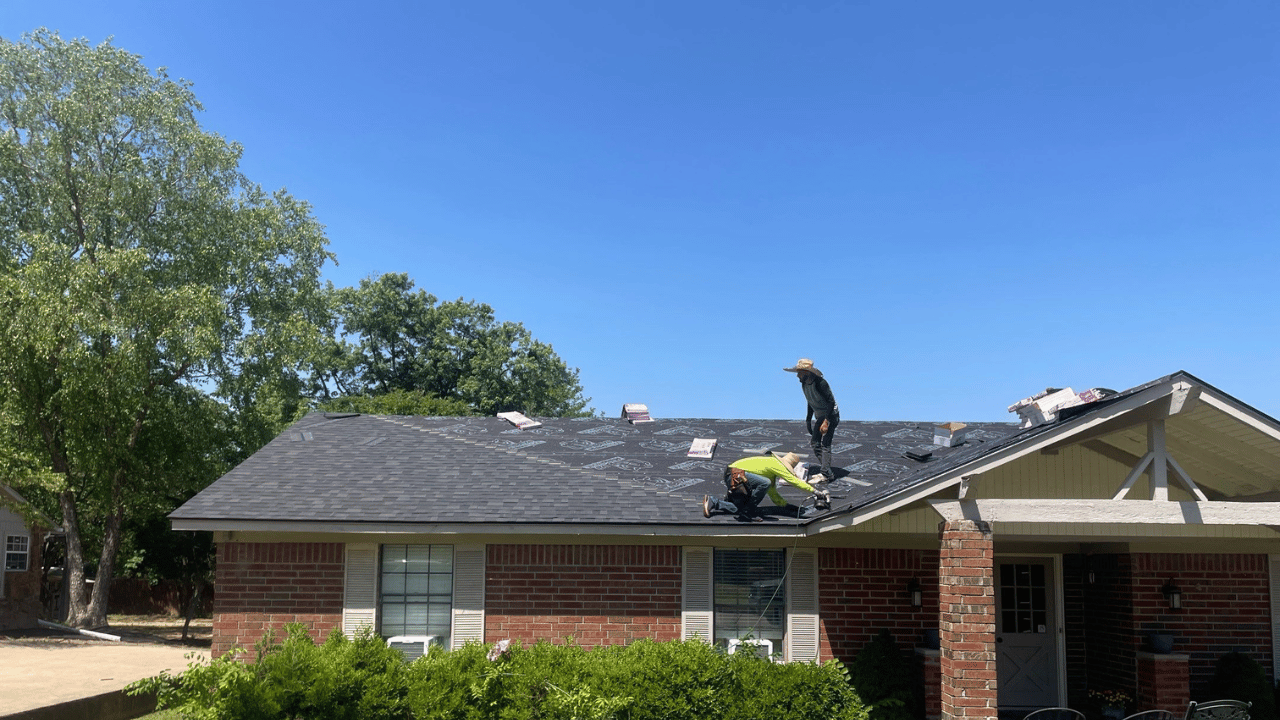
Tulsa homeowners know that Tulsa weather can be brutal – think hailstorms, torrential rain, and scorching sun. That’s why picking the right roof isn’t just about looks; it’s about serious protection that lasts. This guide dives deep into the best roofing materials for our unique climate, and how Apex Roofing & Exteriors is your go-to for choosing, installing, and keeping your roof in top shape. We’ll break down Tulsa’s weather challenges, compare asphalt, metal, and synthetic options, look at durability and energy savings, talk costs and warranties, and show you why a free inspection is your first smart move.
TL;DR
Tulsa’s weather includes frequent hail, strong winds, heavy rain, intense sun, and freeze-thaw cycles.
Choosing roofing materials with Class 4 impact resistance, high wind ratings, and waterproofing is essential.
Asphalt shingles, metal roofing, and synthetic materials each offer unique benefits for Tulsa’s climate.
Energy efficiency and cool roof technology can reduce cooling costs during hot summers.
Apex Roofing & Exteriors provides expert installation, free inspections, insurance claim assistance, and financing options.
What Makes Tulsa's Weather So Tough on Roofs?
Right here in Green Country, our roofs take a beating from frequent hail, fierce winds, heavy rain, and intense UV rays. These conditions can wear down materials fast, leading to cracked shingles, leaks, and even structural damage if your roof isn’t built for the fight. Knowing these challenges is key, and Apex Roofing’s full suite of roofing services means we’ve got your back, no matter what Tulsa’s storms throw at us.
How Do Hail, High Winds, and Heavy Rain Really Mess with Tulsa Roofs?
Hailstones the size of marbles or even golf balls can smack shingles, knocking off granules and exposing the underlayment. Winds gusting over 80 mph can rip off loose shingles, opening the door for water to sneak in. And when that heavy rain keeps coming down, it finds any weak spot in flashing, valleys, or ridge caps, leading to leaks and water damage inside your home. To beat this, you need materials built to take a hit and professional installation that locks everything down tight.
Tulsa’s wild winds and rain demand roofing that works hand-in-hand with strong underlayment and proper drip edges to keep your home safe.
What Are the Key Weather Patterns Tulsa Homeowners Need to Watch For?
Our climate really dictates what your roof needs to handle:
We see about 2.3 hail events a year, with stones up to 1.75 inches.
Spring tornado season can bring winds topping 90 mph.
We get over 40 inches of rain annually, mostly in spring and fall.
Summer temps regularly hit the upper 90s, with serious UV exposure.
Winter freeze-thaw cycles can cause ice dams and crack shingles.
All this means you need roofing materials that are tough against impacts, can handle strong winds, and are completely waterproof, plus coatings that fight off UV damage.
Why Does Tulsa's Climate Demand Special Roofing Materials?
When hail, wind, and rain team up like they do here, standard roofing materials just don’t cut it. They fail, leading to leaks, mold, and bigger problems. Specialized roofing materials offer:
Class 4 Impact Resistance: Your best defense against hail.
High Wind Uplift Ratings: Keeps shingles from blowing off.
Advanced Waterproofing Systems: Stops water in its tracks.
Cool Roof Coatings: Reflects the sun’s heat away.
Choosing materials designed for these specific challenges means your roof will perform when you need it most.
Which Roofing Materials Are Your Best Bet for Tulsa's Wild Weather?
For Tulsa’s tough environment, you want roofing that’s durable, energy-smart, and storm-ready. Asphalt shingles, metal panels, and synthetic options all bring something unique to the table when it comes to handling hail, wind, and rain.
What's the Deal with Asphalt Shingles in Tulsa?
Asphalt shingles are popular for a reason: they’re affordable and easy to install. But we’re talking about the upgraded versions here – architectural and impact-resistant shingles – which offer much better protection for our climate.
The Good Stuff
Easy on the wallet, tons of colors to choose from.
Quick to install and simple to fix.
You can get them with Class 4 impact ratings.
The Not-So-Good Stuff
Lifespan can be anywhere from 15 to 30 years.
Can be vulnerable to extreme winds if not properly reinforced.
Severe hail can still cause granule loss.
Upgraded asphalt shingles with a Class 4 rating are a solid choice for Tulsa’s frequent storms, offering great protection against hail and high winds.
How Do Class 4 Impact-Resistant Asphalt Shingles Fight Hail?
These shingles have a reinforced fiberglass base and special asphalt that absorbs and spreads out the energy from hail impacts. When tested, they show very little cracking or granule loss, meaning less chance of water getting through and damaging the underlayment – even after multiple hail strikes.
Choosing hail-rated shingles can seriously cut down on storm damage claims and future repair costs.
What Exactly Are Class 4 Impact-Resistant Shingles?
Think of Class 4 impact-resistant shingles as the superheroes of the shingle world. They’re built with a special blend of polymer-modified asphalt and a reinforced backing designed to soak up and disperse the force of hail. They’ve earned the highest rating possible through tests like UL 2218, where they’re hit with a 2-inch steel ball dropped from 20 feet. This means they’re incredibly tough and resist cracking and splitting.This info backs up our points about Class 4 shingles being the best defense against hail and how they’re tested.
What’s the Difference Between Architectural and 3-Tab Asphalt Shingles?
Architectural shingles are built with two layers for extra strength and have a more textured, dimensional look. 3-tab shingles are simpler, with a single layer and uniform tabs. Architectural shingles generally last longer, handle impacts better, and look more high-end. 3-tab shingles are a more budget-friendly option for basic protection.
Because of their tougher construction, architectural shingles are a much better fit for Tulsa’s wind and hail demands than basic 3-tab shingles.
Why Metal Roofing Is a Champion for Tulsa's Storms and Heat?
Metal roofing is incredibly tough. Steel or aluminum panels can shrug off hail dents, stand up to winds over 140 mph, and reflect the sun’s heat, helping to keep your home cooler and your energy bills lower. Plus, they’re low-maintenance and fire-resistant, making them a smart long-term investment for Tulsa homeowners.
Metal roofs offer a powerful combination of strength and energy savings, making them a top pick for extreme weather and hot Tulsa summers.
Standing Seam vs. Corrugated Metal Roofs: What’s the Scoop?
Standing seam roofs have hidden fasteners and seams that lock together, creating a super-tight seal against leaks. Corrugated panels use visible screws and raised ridges for strength. Standing seam systems offer the best waterproofing and a clean, modern look, while corrugated is often more budget-friendly and simpler to install.
If you’re looking for maximum leak protection and a sleek appearance, standing seam is usually the way to go.
How Do Metal Roof Colors Impact Heat Reflection and Your Energy Bill?
“Cool roof” colors use special pigments that reflect infrared and UV light. Lighter colors or specially coated panels can keep your attic up to 50% cooler, significantly reducing the strain on your air conditioner and lowering your energy bills.
Silver/White Finishes: The ultimate in reflectivity.
Light Gray/Beige: A good balance of looks and performance.
Dark Tones (with Cool Coating): Stylish options that still reflect heat well.
Choosing reflective colors for your metal roof is a smart move for saving energy during Tulsa’s hot summers.
How Do Synthetic Roofing Materials Offer Next-Level Protection?
Synthetic slate, polymer composites, and rubber-based shingles give you the high-end look of premium materials but with engineered toughness. They’re built to resist impacts, absorb very little water, and keep their color for years.
The Upside
Class 4 hail and high wind resistance.
Much lighter than real slate.
Made with sustainable, recyclable materials.
The Downside
Higher initial cost.
Needs a certified installer to keep warranties valid.
Synthetic options blend sophisticated style with serious protection against storm damage.
What Makes Synthetic Roofing So Impact-Resistant and Durable?
These materials use advanced polymers and reinforced layers to create a flexible, shatter-proof surface that can absorb and spread out impact forces. Lab tests show synthetic tiles hold up incredibly well against high-velocity impacts, meaning they won’t crack or break under severe hail.
This engineered toughness gives you peace of mind against Tulsa’s unpredictable storms.
How Do Durability and Weather Resistance Shape Your Roofing Choice in Tulsa?

When picking a roof for Tulsa, focus on three key things: impact resistance, wind uplift ratings, and waterproofing. These factors directly impact how long your roof will last and how much maintenance it will need.
What Is Impact Resistance, and Why Is Class 4 So Important for Tulsa?
Impact resistance tells you how well a roofing material can handle hail without cracking. A Class 4 rating is the highest you can get, meaning it’s designed to withstand the kind of repeated hail strikes we see here in Tulsa. Investing in Class 4 products means fewer repair bills and insurance claims after storms.
Class 4 protection keeps your roof working and leak-free, even after major hail events.
How Do Wind Uplift Ratings Affect Roof Lifespan in Oklahoma Storms?
Wind uplift ratings tell you how well a material stays attached in high winds. Products rated for 110–150 mph uplift are built to resist shingles blowing off or underlayment failing, which is crucial during tornado season or straight-line wind storms. Using the right fasteners and having a certified installer makes a big difference too.
Higher wind uplift ratings mean less storm damage and a longer-lasting roof.
Asphalt Shingles and Wind Resistance: What You Need to Know
Roofing materials are put through rigorous tests to see how well they hold up in strong winds. Standards like ASTM D7158 classify asphalt shingles, with Class H meaning they can resist uplift forces up to 150 mph. Metal roofing systems are also engineered for serious wind resistance, with some capable of handling speeds up to 140 mph.This confirms the wind uplift ratings and speeds we’ve mentioned for both asphalt and metal roofing.
What Waterproofing Features Are a Must for Tulsa’s Heavy Rains?
To keep water out, you need a solid system: tough underlayment, sealed flashing, self-sealing shingles, and drip edges that direct water away. Synthetic underlayments act as a second barrier under your shingles, while metal drip edges guide water away from your home’s structure. Properly installed valley liners and ridge vents prevent water from pooling and causing mold.
A comprehensive waterproofing system is your best defense against major downpours, preventing costly interior damage.
How Does Energy Efficiency Play a Role in Choosing Roofing Materials in Tulsa?
An energy-efficient roof can make a big difference in keeping your home comfortable and your energy bills down, especially during Tulsa’s hot summers. How reflective your roof is, how well it works with insulation, and how it transfers heat all impact your costs and your home’s carbon footprint.
What Is Cool Roof Technology, and How Does It Help Tulsa Homes?
Cool roofs use special reflective coatings or pigments to bounce solar radiation back into the atmosphere. This can lower the roof’s surface temperature by up to 50°F, meaning less heat gets into your attic. The result? Your air conditioner doesn’t have to work as hard, potentially saving you 10–20% on energy bills during the hottest months. Look for Energy Star certifications to ensure they perform as advertised.
The Cool Benefits of Cool Roof Technologies
Cool roof technologies are designed to reflect sunlight and reduce heat absorption. They can lower roof surface temperatures by as much as 50°F compared to traditional roofs. Studies show that cool roofs can cut down on cooling energy use by 10% to 30% in hot climates, leading to lower utility bills and potentially extending the life of your roof.This information supports our claims about cool roof technology, its energy-saving benefits, and its impact on roof temperatures.
Cool roofing helps lower your energy bills and can even extend the life of the materials underneath.
How Do Different Materials Affect Insulation and Cooling Costs?
Roofing materials that don’t hold heat well, like metal roofs with built-in insulation or composite shingles installed over high-quality underlayment, create a better thermal barrier. Good attic ventilation and radiant barriers also help block heat transfer.
Metal with Insulation: Can offer R-values up to R-30.
Asphalt with Radiant Barrier: Equivalent to R-10–R-15.
Synthetic with Integrated Backing: Typically R-8–R-12.
Pairing your roofing material’s thermal properties with your attic’s insulation levels is key to maximizing energy savings.
Can Metal Roofing Actually Dampen Sound in Tulsa’s Climate?
It’s a common myth, but a properly installed metal roof—especially one with insulated underlayment and solid decking—can be just as quiet as asphalt. Using high-density insulation pads and acoustic barriers can significantly reduce the noise from rain and hail, keeping your home peaceful even during a storm.
Metal roofs can offer both excellent impact resistance and effective sound reduction when designed with the right acoustic layers.
What About Costs, Lifespans, and Warranties for Tulsa Roofing?
When you’re investing in a new roof, it’s all about finding the right balance between the initial cost, the long-term value, and the support you get from the manufacturer. Understanding these factors will help you make a smart choice that fits your budget and your needs.
What’s the Expected Lifespan of Each Roofing Material in Tulsa’s Weather?
Standard Asphalt Shingles: 15–20 years
Impact-Resistant Asphalt: 25–30 years
Metal Roofing: 35–50 years
Synthetic Slate/Composite: 30–50 years
Regular check-ups and maintenance from Apex Roofing can help ensure your roof performs at its best for even longer.
How Do Manufacturer Warranties Protect Your Long-Term Roof Investment?
Asphalt Shingles: 25–50 years for materials and labor.
Metal Panels: 30–50 years for paint and structural integrity.
Synthetic Systems: 30–50 years comprehensive coverage.
Many manufacturers offer prorated coverage and extended labor warranties when their products are installed by certified professionals, giving you true long-term peace of mind.
Why Apex Roofing Is Your Go-To for Weather-Resistant Roofs in Tulsa?
At Apex Roofing & Exteriors, we combine our deep understanding of Tulsa’s climate with top-quality materials, expert installation techniques, and a commitment to our customers. We build roofs designed to stand up to whatever our weather throws at them.
How Does Apex Roofing’s Free Inspection Help Find Storm Damage?
Our free roof inspection is a comprehensive check of your shingles, flashing, underlayment, and gutters. We use advanced tools like drone imaging and moisture scanning to find even hidden damage. You’ll get a clear report outlining any issues, repair or replacement options, and a cost estimate.
Catching hail or wind damage early prevents leaks and helps your roof last longer.
What’s Apex Roofing’s Process for Helping with Insurance Claims?
Our storm damage experts are pros at documenting damage with high-quality photos, preparing detailed estimates, and working directly with your insurance company. We make the claims process smoother, helping you get approvals faster and ensuring you receive a fair settlement, which means less stress and fewer out-of-pocket costs for you.
Our expert claims assistance speeds up your roof’s restoration and helps you get the coverage you deserve.
How Does Apex Ensure Quality with Top Materials and Expert Installation?
For every Apex project, we use only the best materials, like Class 4 asphalt shingles, high-performance metal panels, or advanced synthetic systems from trusted brands like Atlas. Our certified installers follow the strictest industry standards for nailing, underlayment overlaps, and ventilation design, ensuring we meet or exceed all local building codes.
This meticulous attention to detail means you get a roof built to last for decades.
What Financing Options Make Durable Roofing Affordable in Tulsa?
We know that investing in a premium roof can be a big decision. That’s why Apex offers flexible financing options, including plans with zero or low interest and extended payment terms. We want to make it easier for you to get the best roofing materials without straining your budget. Our customized plans help align your monthly payments with the long-term savings you’ll see from reduced energy costs and less maintenance.
Financing removes the financial hurdles, making it possible to install the best roofing materials for Tulsa’s extreme weather.
Ready to Schedule Your Free Roof Inspection in Tulsa?
Taking the first step toward a tough, weather-proof roof is easy and completely free.
What Can You Expect During a Free Roof Inspection?
Our certified inspector will spend about 30–45 minutes thoroughly checking your roof’s surface, flashing, gutters, and ventilation system. We’ll document any findings with photos and moisture readings. You’ll receive a detailed report explaining recommended repairs or replacement options, material choices, and guidance on working with your insurance company.
This open and honest process empowers you to protect your home with confidence.
How to Connect with Apex Roofing for Your Tulsa Weather-Resistant Roof Needs?
To book your free inspection and get expert advice on the best roofing materials for your home, give Apex Roofing & Exteriors a call at (918) 123-ROOF or visit our website at Apex Roofing & Exteriors | Tulsa Roofing Company. Our local team is ready to serve Tulsa and all of Green Country with fast, professional service you can trust.
Choose The Right Material Now
Choosing the right roofing materials is key to protecting your home from Tulsa’s harsh weather while also boosting energy efficiency and curb appeal. By opting for impact-rated asphalt, reflective metal, or advanced synthetic systems installed by the experts at Apex Roofing & Exteriors, you’re ensuring lasting performance and peace of mind. Schedule your free inspection today and start safeguarding your home against hail, wind, and rain.
